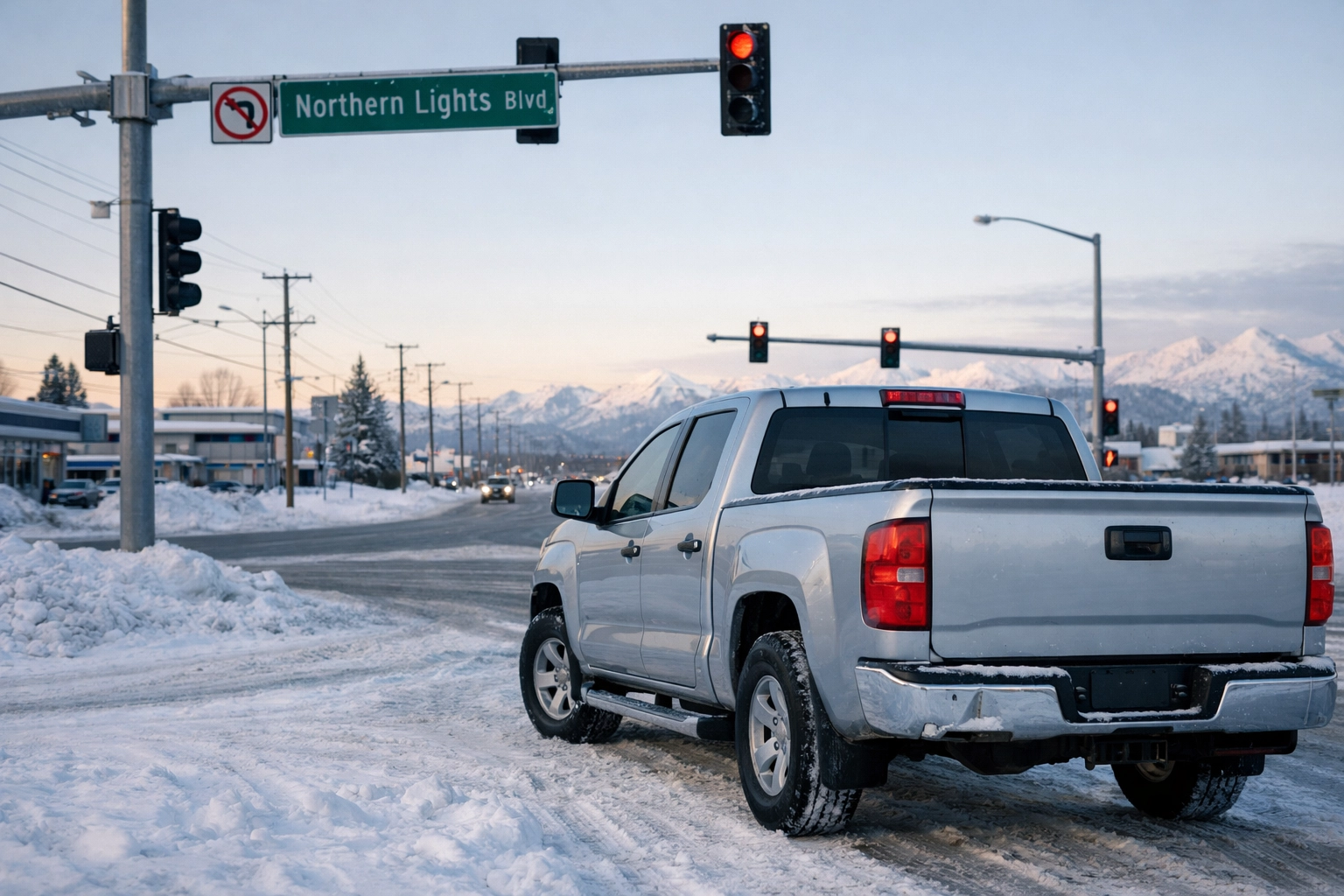
You just picked up supplies for your shop in Anchorage. On the way back, you get rear-ended at a stoplight on Northern Lights Boulevard.
No big deal, right? You've got insurance.
Except when you file the claim, your insurance company asks one simple question: "Was this for business or personal use?"
And just like that, your claim gets denied.
This isn't some rare loophole. It's one of the most common coverage gaps Alaska business owners face, and most don't know it exists until it's too late.
The Line in the Sand
Your personal auto policy was built for one thing: personal use.
That means driving to work, picking up groceries, weekend road trips to Seward, and dropping the kids off at school.
It was not designed for business activities.
When you use your vehicle for business purposes, even occasionally, you cross a line that most personal policies specifically exclude.
And insurance companies don't mess around with exclusions.
What Counts as "Business Use"?
Here's where it gets tricky. You might think "business use" only applies if you're driving a company van with a logo on the side.
Not even close.
Business use includes:
- Delivering products to customers
- Running errands for your business (picking up supplies, going to the bank with deposits)
- Transporting clients or potential customers
- Driving between job sites (once you’re actively working, not just commuting)
- Using your truck to haul equipment for a project
- Picking up inventory from suppliers
- Advertising your business on the vehicle (even a simple door magnet or logo)
Your personal policy won't cover you.
Real Alaska Scenarios
Let's make this concrete with a few situations we see all the time:
Scenario 1: The Bakery Owner
Sarah runs a small bakery in Wasilla. She uses her personal SUV to deliver custom cakes on weekends.
One Saturday, she hits a patch of black ice on the Parks Highway while delivering a wedding cake. She slides into another car.
Her personal insurance denies the claim because she was making a business delivery. She's on the hook for both vehicles, medical bills, and a potential lawsuit.
Scenario 2: The Handyman
Mike does odd jobs around Anchorage. Most days, driving from his house to the first job is basically commuting.
But once he’s hauling materials he’s charging for, or he’s got a business door magnet/logo on the truck, that’s business use.
One day, while heading to a paid job with materials in the bed (and his magnet on the door), a client’s dog runs into the street. Mike swerves and crashes into a parked car.
His personal policy likely won’t pay because he was using the truck for-hire and advertising the business at the time.
Scenario 3: The Part-Time Plower
Dave has a personal pickup truck he uses for his daily commute in Anchorage. During a big winter storm, he hooks up a plow to make some extra cash clearing driveways for local businesses.
While backing out of a commercial lot, he clips a parked car.
His personal auto insurance denies the claim because he was engaged in "business use" (and likely because of the plow attachment), leaving Dave to pay for the other car's repairs out of pocket.
Why Insurance Companies Draw This Hard Line
You might be thinking: "Aren't they just being difficult?"
Not really. It comes down to math.
Personal auto policies are priced based on personal driving patterns. That means occasional use, predictable routes, and lower annual mileage.
Business use changes everything:
- You're on the road more often
- You're driving in unfamiliar areas
- You're transporting goods or people
- You might be in a hurry to meet deadlines
- You're exposed to more traffic and more risk
All of that increases the likelihood of an accident.
Personal policies aren't priced to cover that extra risk. So when you use your vehicle for business, you're essentially driving without proper coverage.
And if something happens, you're fully exposed.
The Gray Area: Occasional Business Use
Here's where things get murky.
Some personal policies include limited coverage for "incidental" business use, like driving to a second job or stopping at the bank to deposit business checks on your way home.
But "incidental" is subjective. And it's not something you want to gamble on when you're sitting in a tow truck after an accident.
If you use your vehicle for business activities more than once in a while, you need commercial coverage. Period.
How to Know What You Need
Ask yourself these questions:
- Do you deliver products or services to customers?
- Do you transport clients, employees, or vendors?
- Do you run errands for your business multiple times a week?
- Do you haul tools, equipment, or inventory in your vehicle?
- Does your vehicle have business signage or branding?
If you answered "yes" to any of these, your personal auto policy isn't enough.
You need commercial auto insurance.
What If You Only Use Your Vehicle for Business Sometimes?
Even part-time business use matters.
If you run a side hustle, do freelance work, or help out with a family business on weekends, you're still at risk.
Talk to an agent about your specific situation. There may be endorsements or hybrid policies that bridge the gap without requiring a full commercial policy.
But don't assume your personal policy has you covered. Assumptions are expensive.
The Cost of Going Without
Let's talk worst-case scenario.
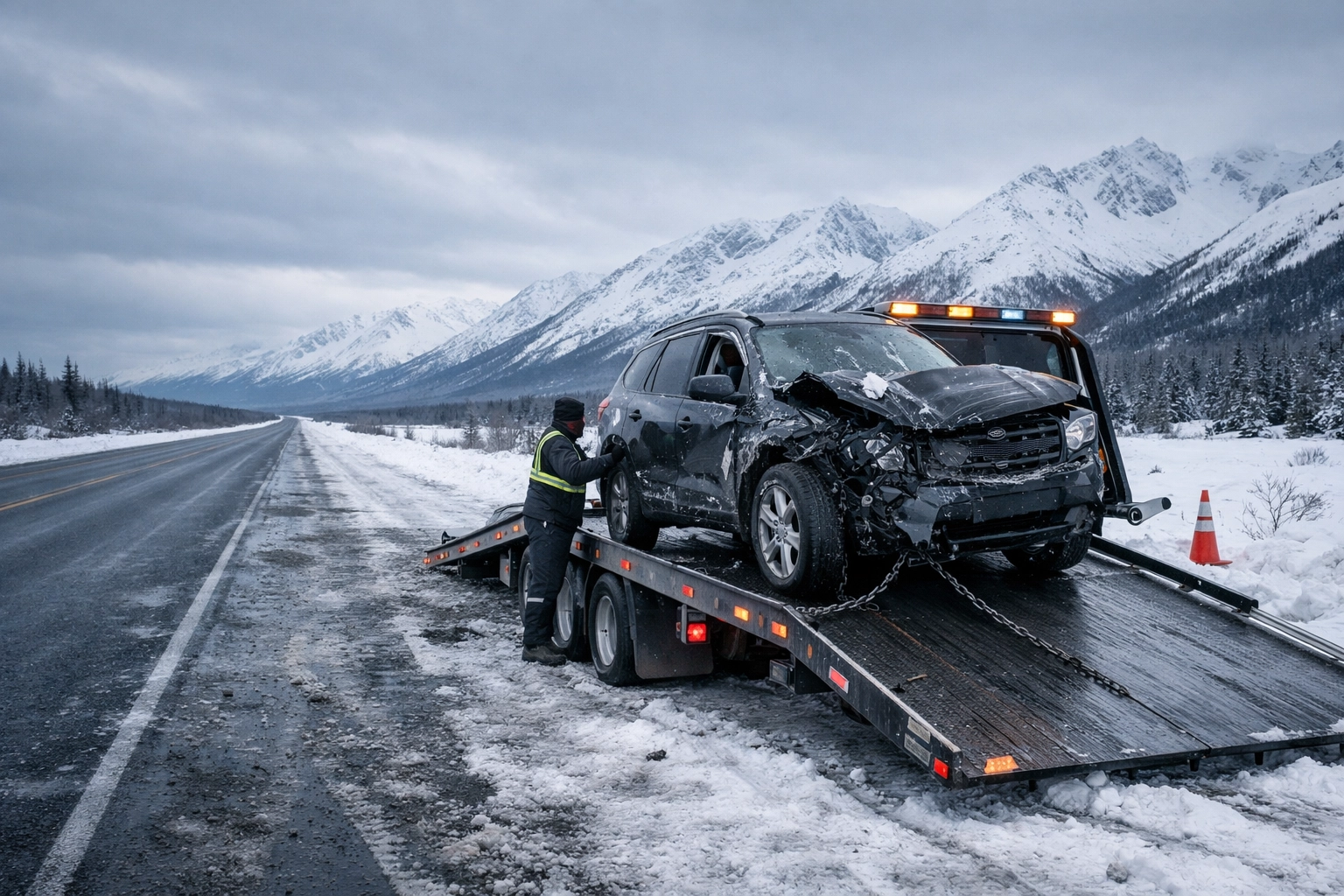
You get into an accident while making a business delivery. Your personal insurance denies the claim.
Now you're facing:
- Out-of-pocket repairs for your vehicle (potentially $5,000–$15,000+)
- Medical bills for injuries you caused (potentially $50,000–$500,000+)
- Legal fees if the other party sues you (easily $10,000–$100,000+)
- Lost income while your vehicle is out of commission
- Potential damage to your business reputation
And if the accident is serious enough, you could lose personal assets: your home, savings, retirement accounts: to cover the judgment.
All because you were trying to save a few hundred bucks a year on insurance.
What to Do Next
If you're using your personal vehicle for business, here's your action plan:
Step 1: Review your current auto policy. Look for exclusions related to business use.
Step 2: Make a list of how you actually use your vehicle. Be honest. If it's for business even 10% of the time, note it.
Step 3: Talk to an insurance agent who understands Alaska business risks. Explain your situation and get a quote for commercial coverage.
Step 4: Compare the cost of commercial insurance to the cost of being uninsured. Spoiler: commercial coverage is way cheaper than a denied claim.
You Can't Afford to Guess
Insurance is one of those things that seems optional: until it's not.
And the gap between personal and commercial auto coverage isn't some technicality buried in fine print. It's a massive liability that could wipe out everything you've built.
If you're using your vehicle for business in Alaska, you need commercial auto insurance. Full stop.
Don't wait for an accident on the Seward Highway to find out your personal policy won't cover you.
Get the right coverage now. Protect your business, your assets, and your peace of mind.
Because the last thing you need after an accident is a denied claim and a six-figure bill.
Need help figuring out what coverage you actually need? Reach out to us at Last Frontier Insurance. We'll walk you through it: no pressure, no jargon, just straight answers for Alaska business owners.

Leave a Reply