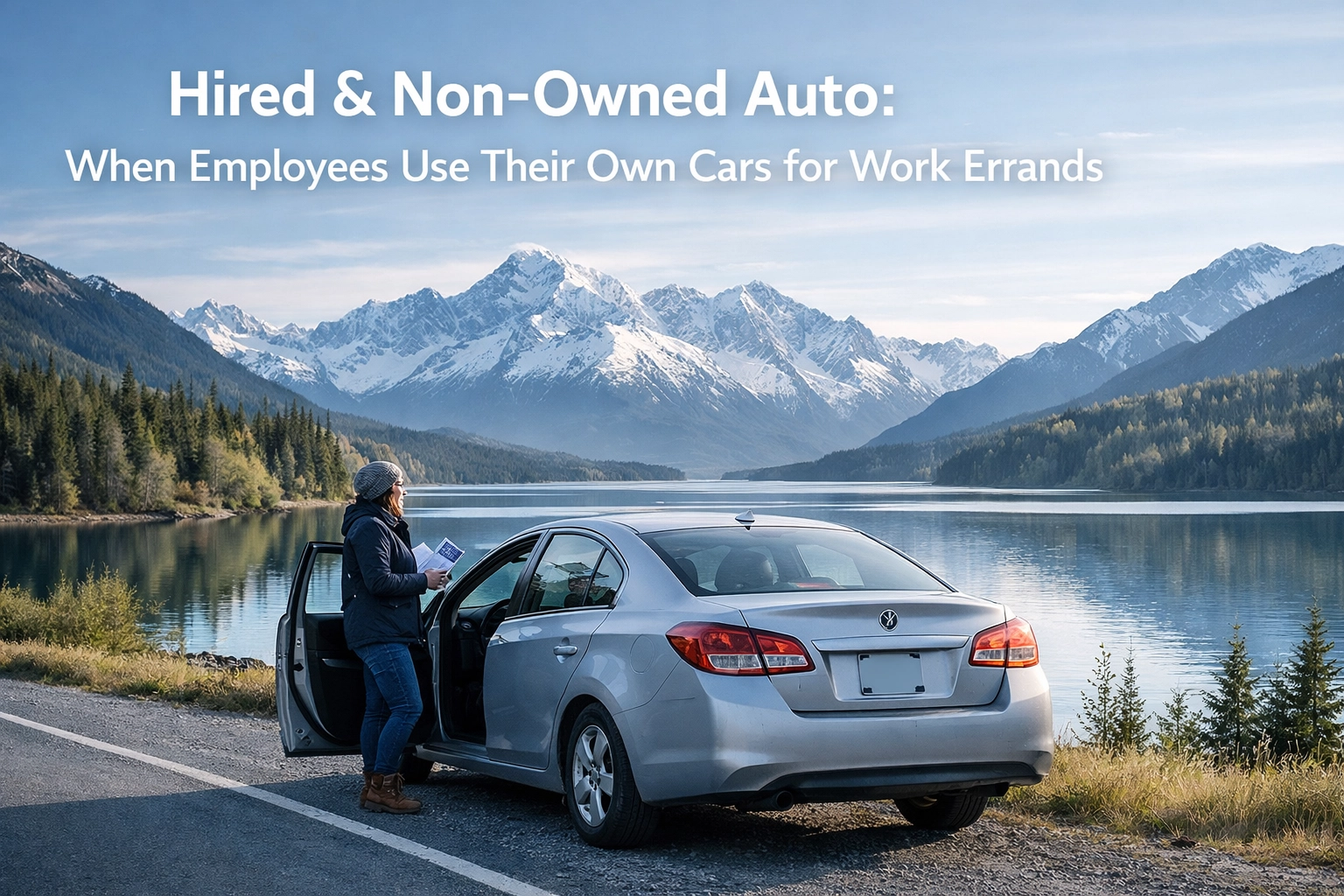
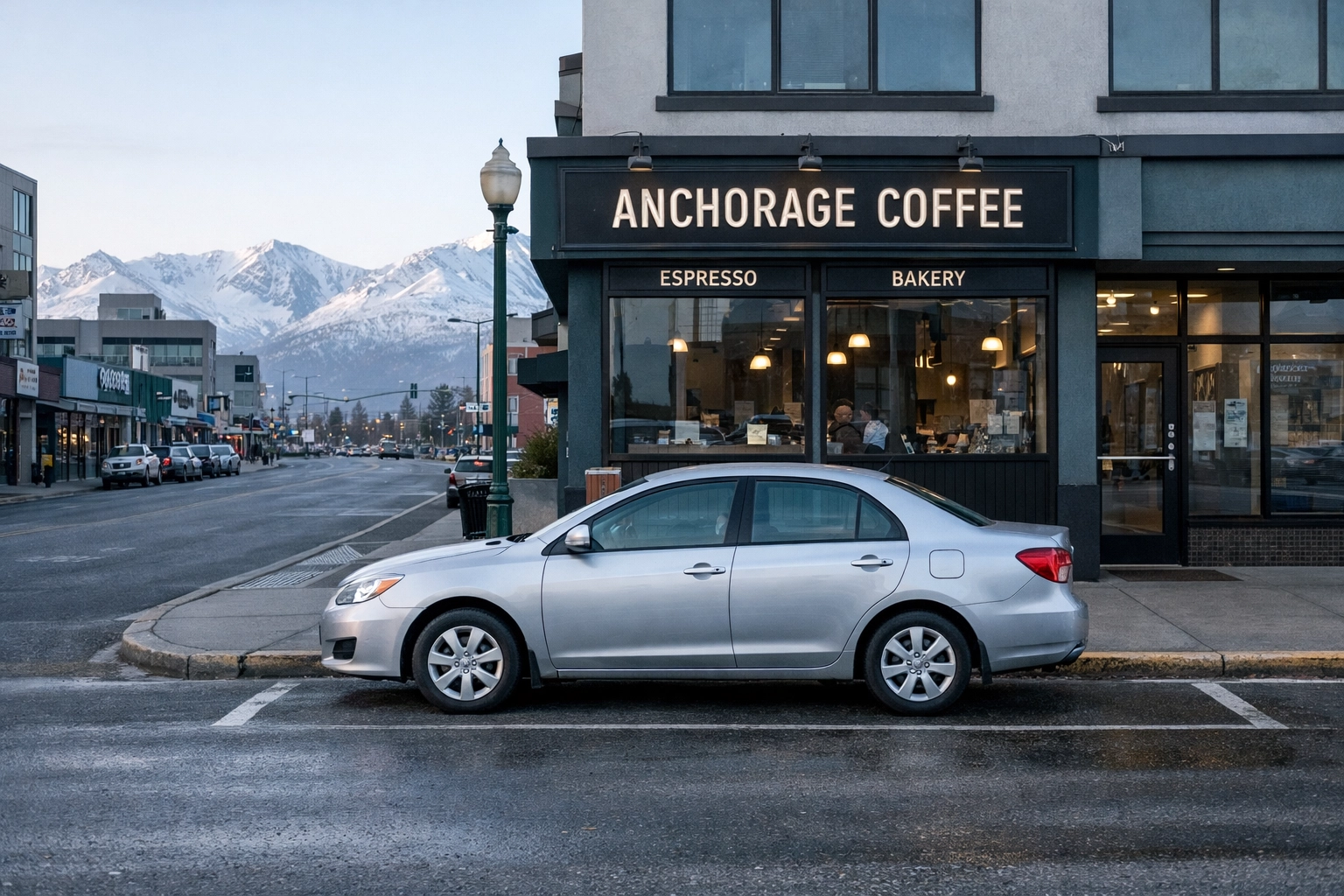
You send your office manager to grab coffee for a client meeting. Or your assistant runs to the post office to mail contracts. They hop in their Honda, not a company vehicle.
Simple errand, right?
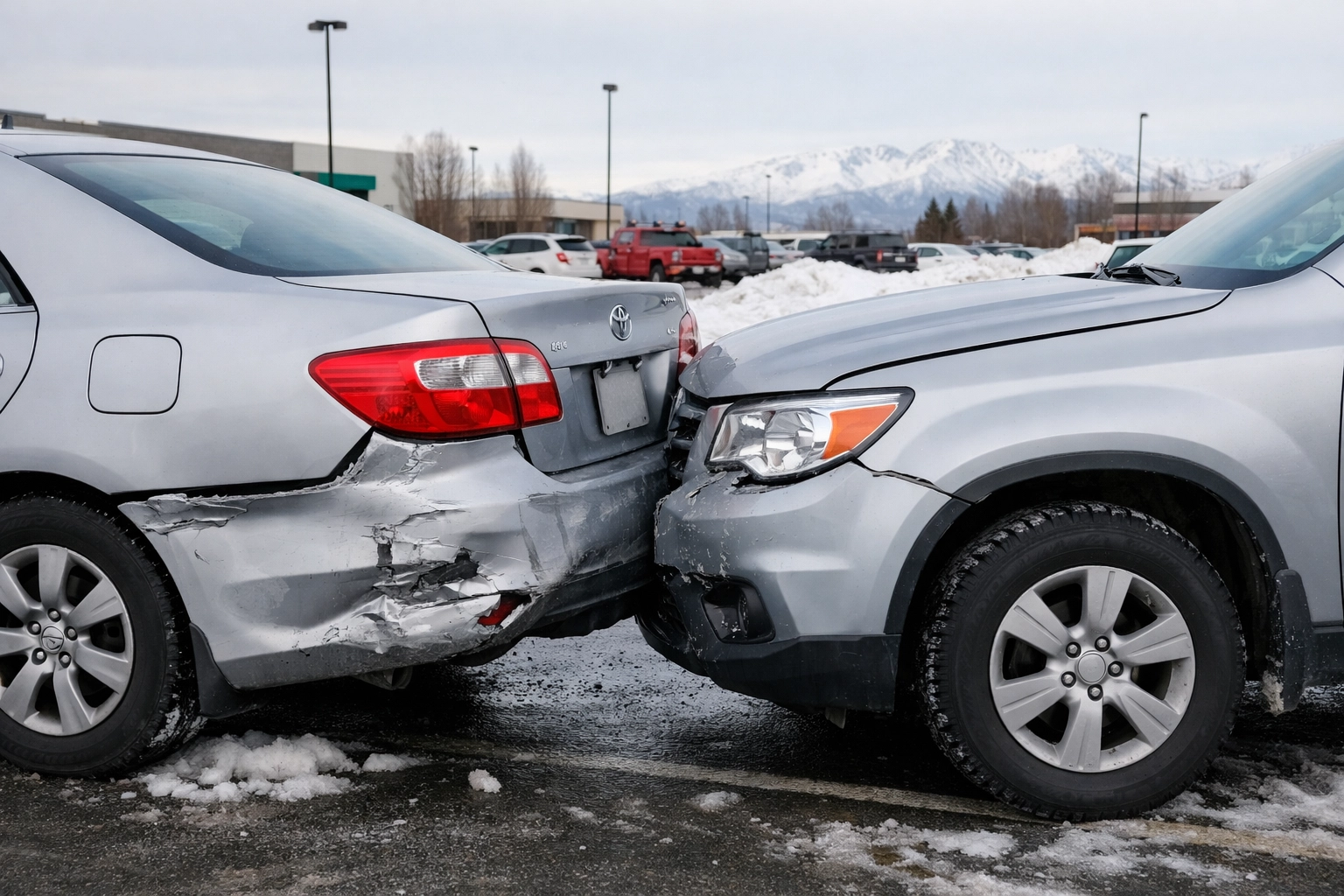
Until they back into someone in the parking lot. Or miss a stop sign and cause a fender bender.
Now the other driver is injured. Their lawyer calls. And guess who they're suing? Not just your employee. Your business.
This is one of the most common gaps we see in business insurance Alaska policies. And most business owners don't even know it exists until it's too late.
The Problem: Your Business Is On the Hook
Here's what catches people off guard.
When your employee causes an accident while doing something work-related: even in their own car: you're legally liable.
The injured party (and their attorney) will come after whoever has the deepest pockets. That's usually the business, not the employee driving a 2015 Subaru.
Your employee's personal auto insurance will kick in first. But personal policies have limits. Often $50,000 to $100,000 for injuries.
If the medical bills and settlements exceed that? The business gets sued for the rest.
And your general liability insurance alaska policy? It doesn't cover auto accidents. Not even if the employee was technically "working."
That's where Hired and Non-Owned Auto Insurance (HNOA) comes in.
What Is Hired & Non-Owned Auto Coverage?
HNOA is a type of liability insurance that protects your business when:
- Employees use their own vehicles for work tasks
- Or you occasionally rent or hire vehicles for business purposes (like a U-Haul for an event)
It's not standalone coverage. It's usually added as an endorsement to your general liability or commercial auto policy.
Think of it as the safety net between your employee's personal car insurance and a lawsuit that could cost your business six figures.
What HNOA Actually Covers
Let's keep this simple. HNOA covers your business's liability when an employee causes an accident in their personal vehicle while working.
Here's what that includes:
Bodily Injury Liability
Medical bills, rehab costs, and legal fees if someone else gets hurt in the accident.
Property Damage Liability
Repairs or replacement costs for the other person's car, fence, mailbox: whatever got damaged.
Legal Defense Costs
Attorney fees, court costs, and settlement expenses if you get sued.
The key word here is liability. This coverage protects the business from being held responsible for damages your employee caused to other people.
What HNOA Does NOT Cover
This is just as important.
HNOA does not cover:
- Damage to your employee's car. That's on their personal policy.
- Your employee's medical bills. If they get hurt, their personal auto insurance or health insurance handles it: not HNOA.
- Company-owned vehicles. If you own a truck with your business name on it, you need commercial auto insurance, not HNOA.
- Personal errands. If your employee stops for groceries on the way home from work, that's not covered. The trip has to be work-related.
- Negligent behavior. If your employee was driving drunk, texting, or had a suspended license, HNOA won't cover the claim.
Think of HNOA as a shield for your business: not a blanket policy for everything that could go wrong on the road.
How It Works With Personal Auto Insurance
Here's the setup most Alaska business owners don't realize.
Your employee's personal auto insurance pays first.
HNOA kicks in second, after their personal limits run out.
Example:
Your assistant is delivering paperwork to a client. They rear-end someone at a red light. The other driver has $80,000 in medical bills.
Your assistant's personal auto policy covers up to $50,000. That leaves $30,000 unpaid.
Without HNOA, your business is on the hook for that $30,000: plus legal fees.
With HNOA, the policy steps in and covers the gap.
This is why it's called excess coverage. It fills the space between what the employee's insurance covers and what the business needs protected from.

Common Alaska Scenarios Where HNOA Matters
Let's get specific. Here are real situations where Alaska businesses get caught without this coverage:
Retail & Service Businesses
Your employee picks up supplies from a vendor across town. Runs a red light. Hits another car.
Real Estate & Property Management
Your agent drives to show a listing. Backs into a parked truck in the driveway.
Nonprofit & Event Planning
Your coordinator borrows their spouse's car to deliver event materials. Causes an accident on the way.
Construction & Trade Businesses
Your project manager swings by the job site in their personal truck to drop off paperwork. Gets in a wreck.
Professional Services (Legal, Accounting, Consulting)
Your associate drives to a client meeting downtown. Fender-bender in a parking garage.
In every single one of these cases, the business is legally exposed: even though the vehicle wasn't owned by the company.
Why This Is a Big Deal in Alaska
Alaska businesses face a unique combo of risk factors that make HNOA even more important.
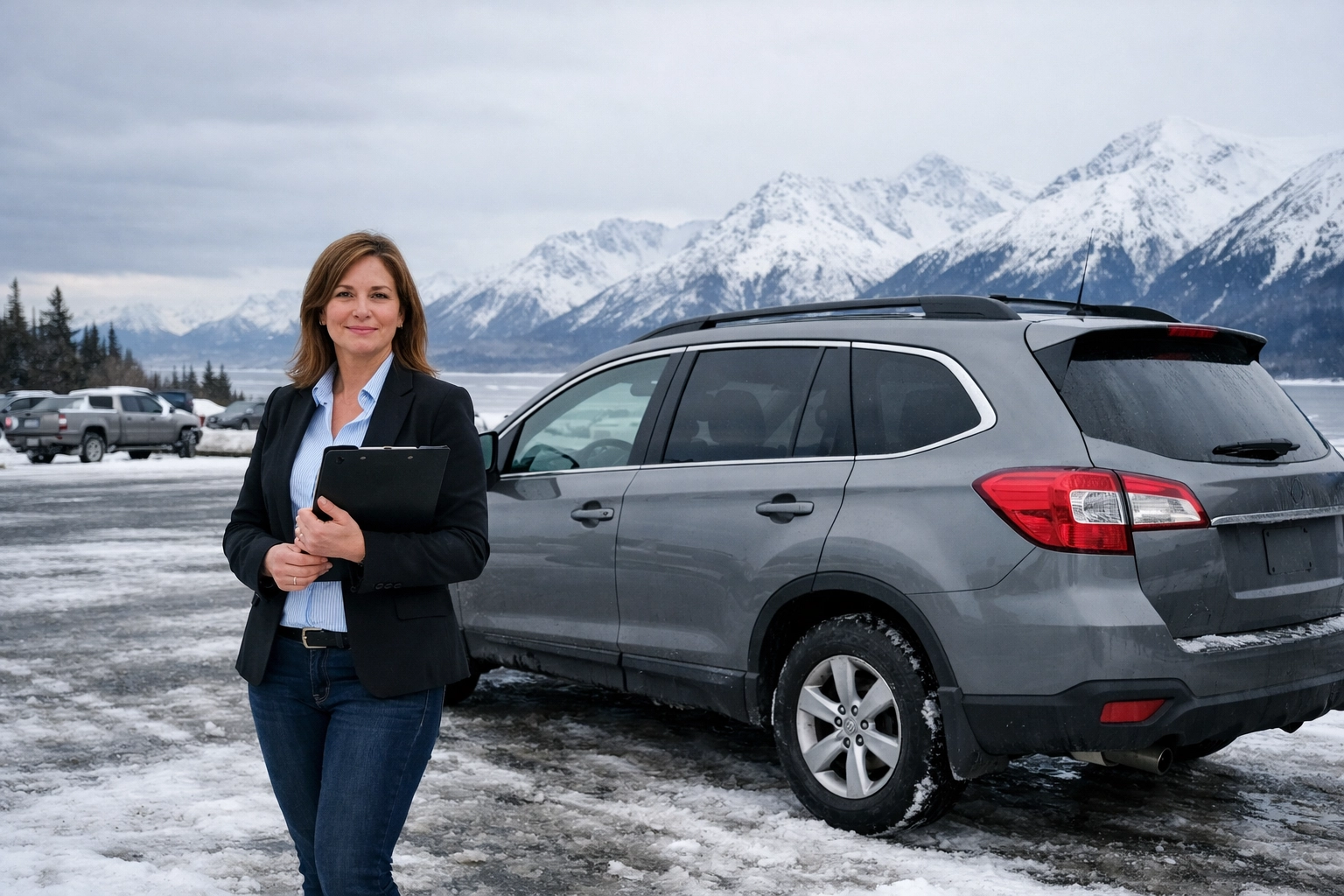
Weather conditions. Ice, snow, and low visibility increase accident risk: especially for employees who aren't used to winter driving.
Rural routes. If your employees are driving between Anchorage and the Valley, or out to jobsites on back roads, the risk goes up.
High cost of claims. Medical bills in Alaska aren't small. A serious injury claim can easily exceed $100,000.
Smaller businesses. Many Alaska companies are lean. One lawsuit could wipe out a year's profit: or force you to close.
We've seen business owners assume they were covered, only to find out the hard way they weren't. It's one of the most frustrating calls we take.
Who Should Have HNOA Coverage?
If you answer "yes" to any of these, you should seriously consider it:
- Do employees ever run work errands in their own cars?
- Do staff members drive to client meetings, job sites, or vendor locations?
- Do you occasionally rent vehicles for business purposes (moving equipment, hauling supplies)?
- Do you reimburse employees for mileage?
Even if it only happens a few times a month, the risk is real.
HNOA is typically inexpensive: often a few hundred dollars a year as an add-on to your existing policy. Compare that to a $200,000 lawsuit.
What to Do Next
Start by checking your current business insurance Alaska policy. Look for a line item that says "Hired and Non-Owned Auto" or "HNOA."
If it's not there, call your agent.
Ask:
- Do we have HNOA coverage?
- What are the limits?
- Does it apply to all employees, or just certain roles?
- Are rental vehicles included?
If you're not sure your current policy is up to date, we're happy to take a look. No pressure. Just a quick review to make sure you're not leaving a gap open.
You can reach us at insureak.com or give us a call.
Final Thoughts
Hired and Non-Owned Auto coverage isn't flashy. It's not the kind of insurance people get excited about.
But it's one of those quiet protections that saves businesses from serious financial trouble.
If your team ever uses personal vehicles for work: even occasionally: this coverage should be on your radar.
One accident is all it takes. And in Alaska, where winter roads and rural routes are part of doing business, the risk is higher than most places.
Don't wait until after the accident to find out you're not covered.
Leave a Reply