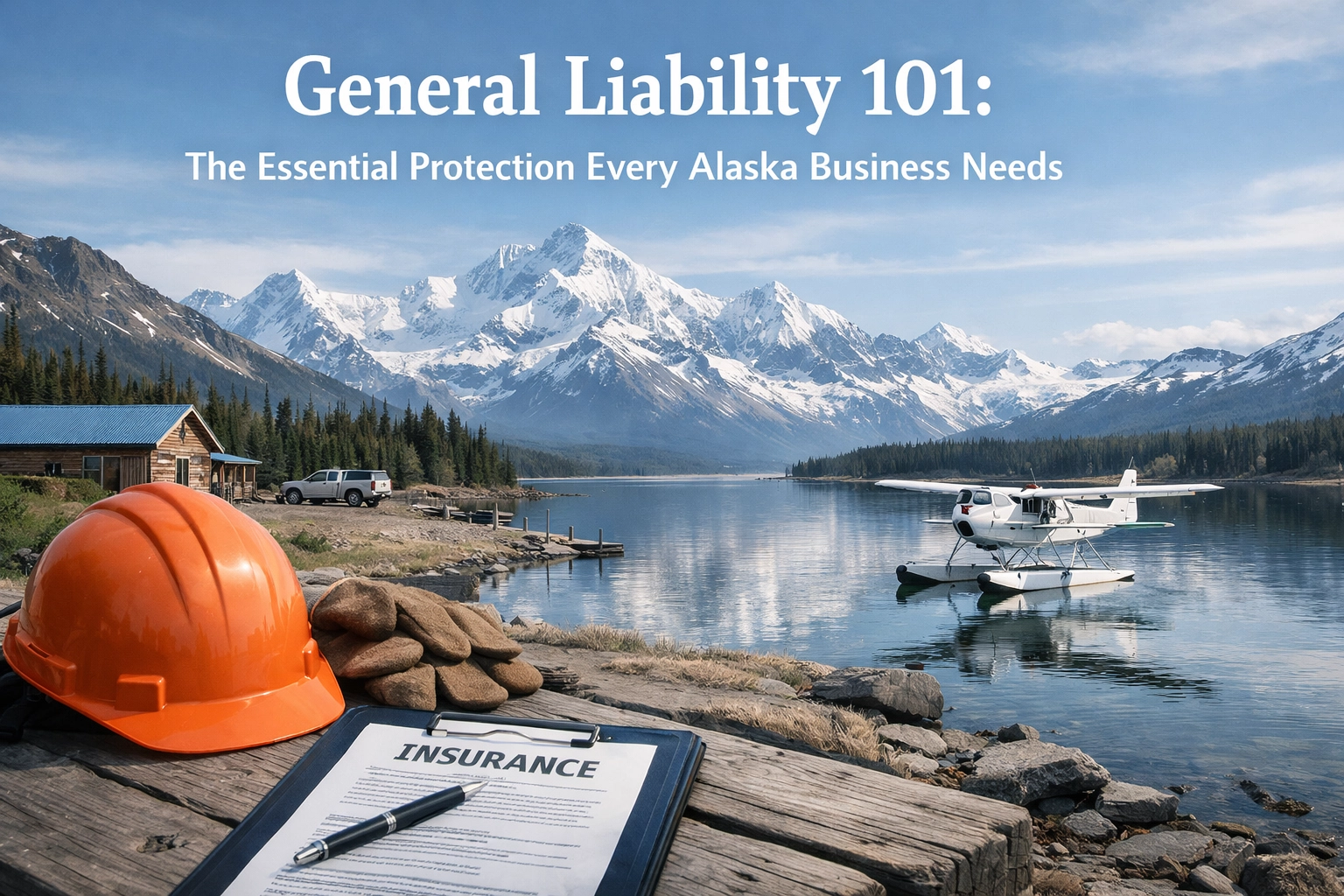
You're running a business in Alaska. You've got your products, your services, and your customers. But what happens when someone slips on ice outside your door and breaks their ankle?
That's where General Liability Insurance steps in.
Think of it as your business's shield against the everyday accidents that can turn into expensive lawsuits. It's not glamorous. It's not optional. And it's one of the smartest investments you'll make.
What Is General Liability Insurance, Anyway?
In plain English: General Liability protects your business when someone else gets hurt or their property gets damaged because of your operations.
"Someone else" means a customer, a vendor, a random person walking by: anyone who isn't on your payroll.
It covers things like:
- A customer trips over a cord in your office and sprains their wrist
- Your employee accidentally damages a client's property during a job
- Someone claims your ad slandered their business
Without it, those legal bills come straight out of your pocket. And in Alaska, where a simple injury can turn complicated fast due to weather or remote locations, you don't want to be caught unprotected.
Why Alaska Businesses Can't Skip This
Let's be real: Alaska isn't Scottsdale. Our weather doesn't mess around.
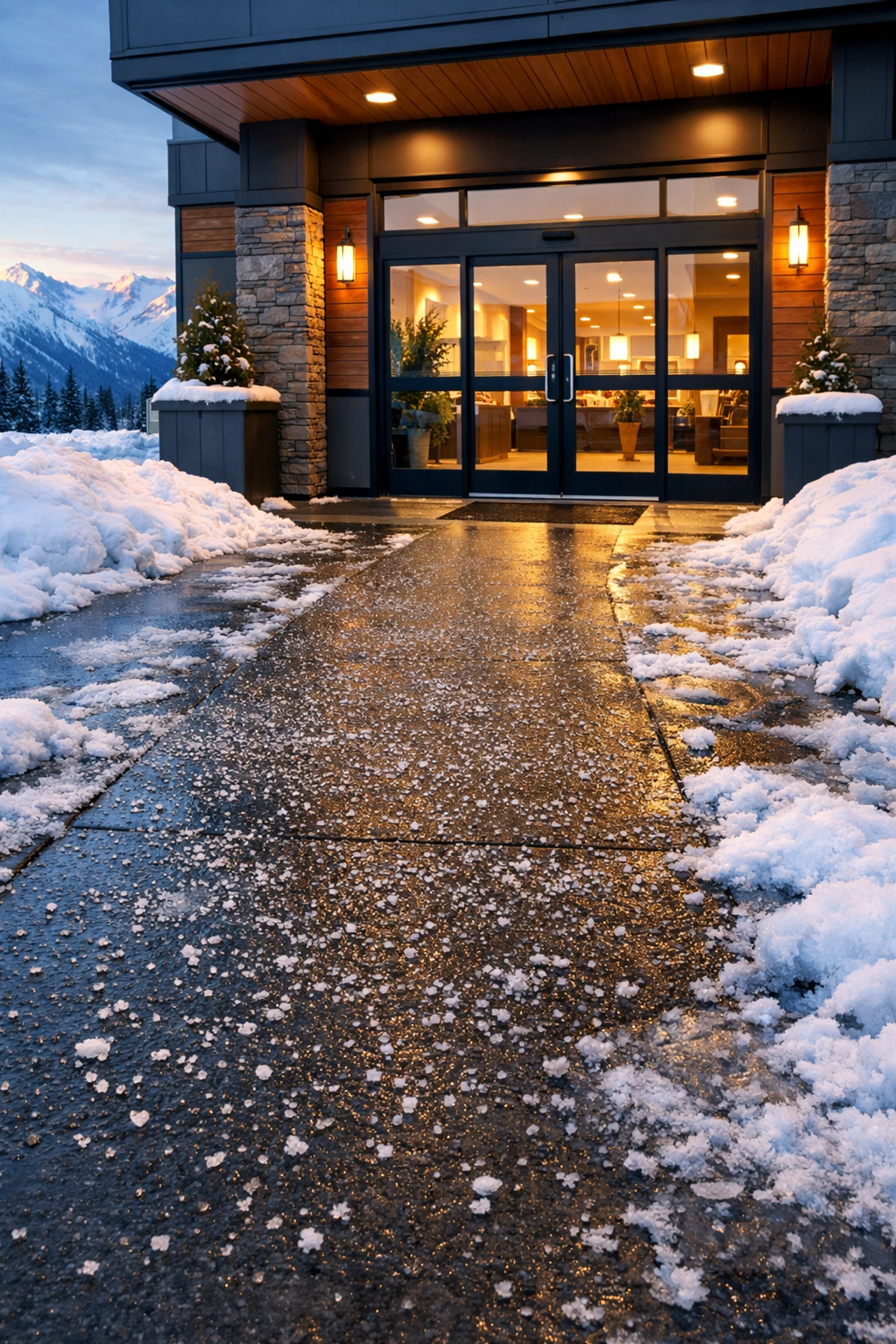
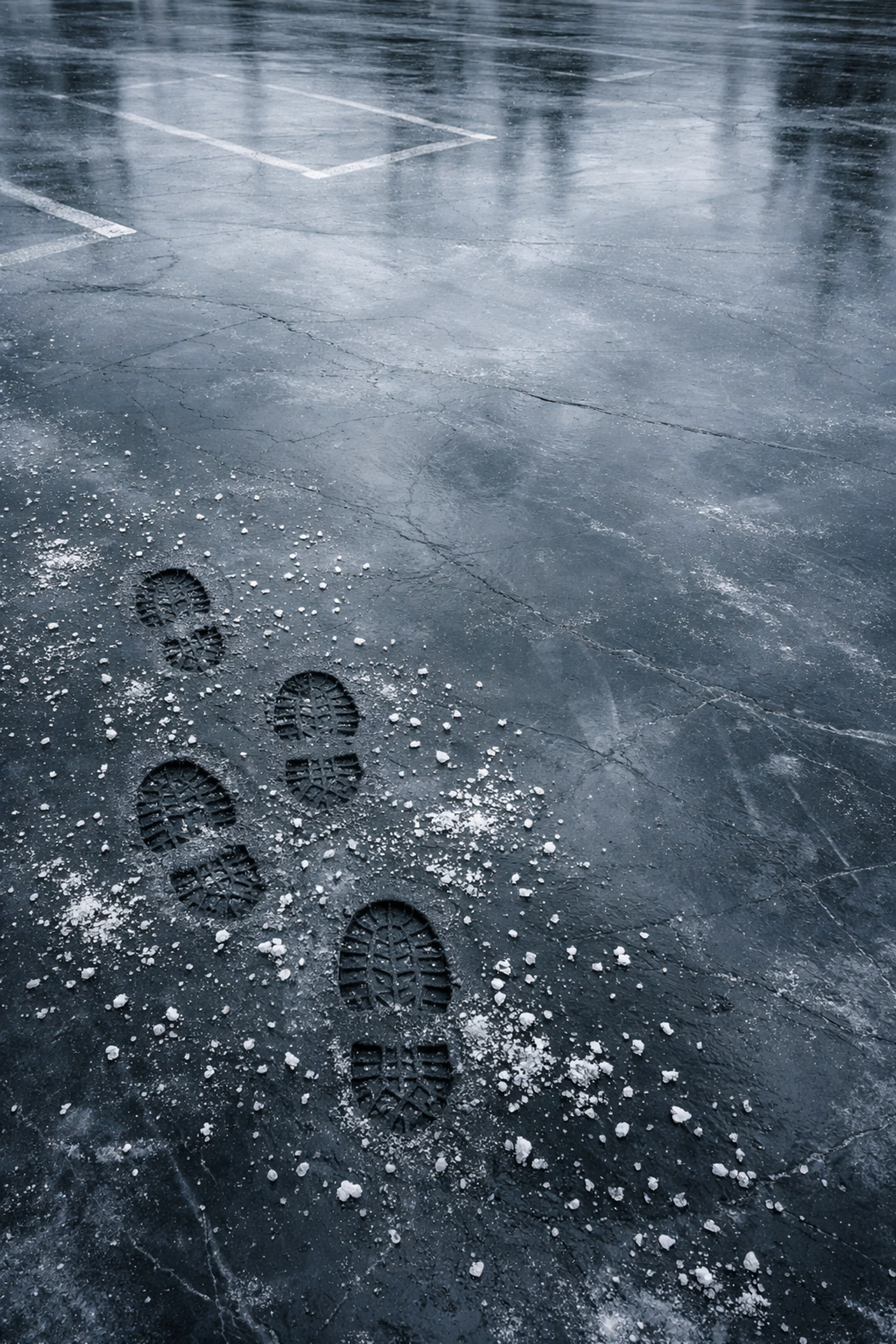
Ice is everywhere from October through April. Parking lots freeze over. Sidewalks turn into skating rinks. Even with salt and shoveling, someone's going to slip eventually.
And here's the thing: you can do everything right and still get sued.
You salted the walkway. You put up a sign. But a customer fell anyway, and now they're facing a $15,000 medical bill. They call a lawyer. That lawyer calls you.
General Liability Insurance is what keeps that situation from bankrupting your business.
Remote Means Risky
Alaska's remote locations make injuries more serious. If someone gets hurt in Anchorage, help is nearby. But if you're operating in a rural area, that same injury might mean an expensive airlift and weeks of complications.
Longer recovery times mean higher medical bills. Higher bills mean bigger lawsuits. Bigger lawsuits mean you need solid coverage.
The Classic Scenario: Slip and Fall
This is the one everyone's heard about. And in Alaska, it's not a joke: it's a reality.
Picture this:
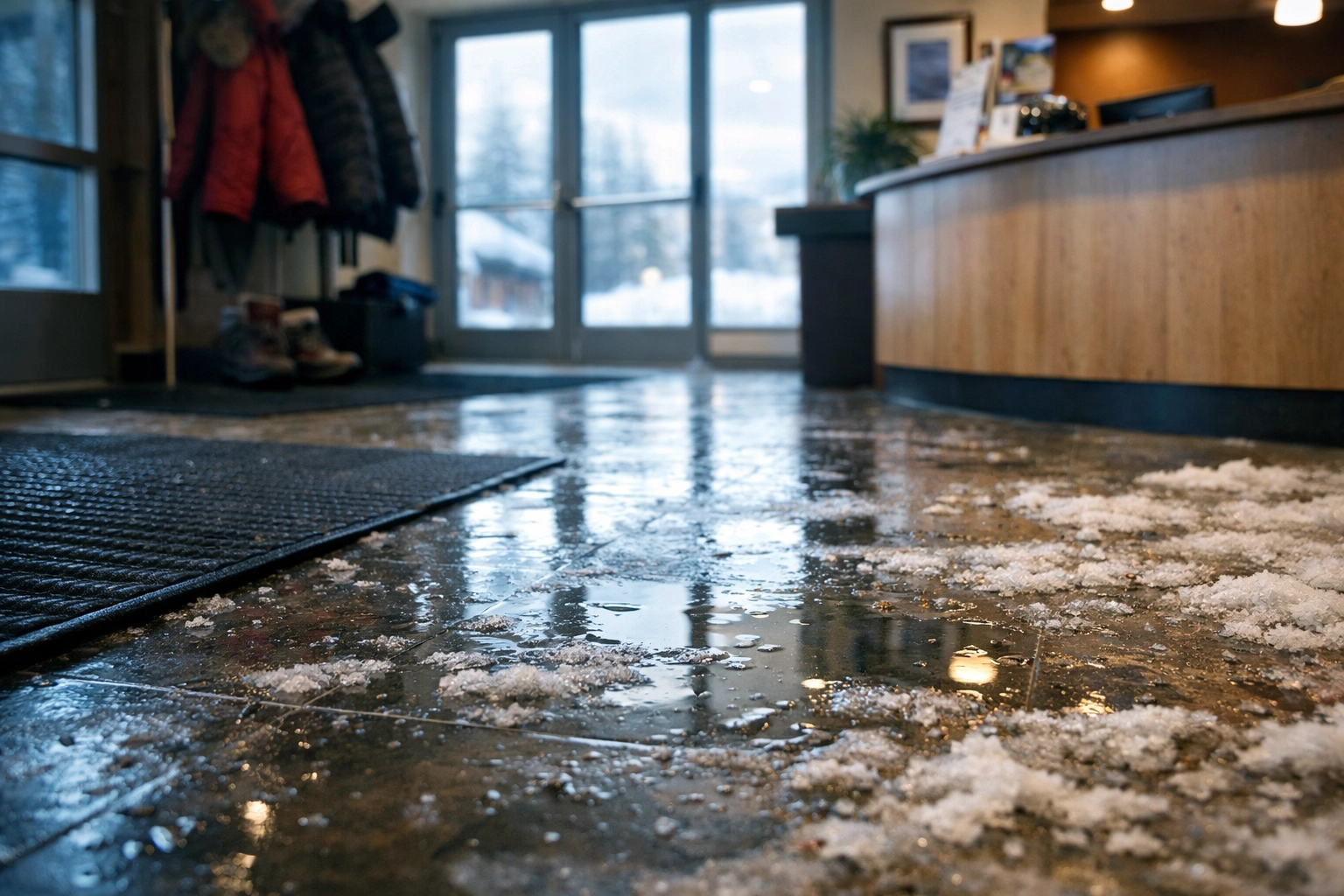
- A client walks into your office on a snowy February morning
- They track in some slush
- Ten minutes later, another customer walks through, slips on that wet floor, and goes down hard
- Broken wrist, potential concussion, ambulance ride
Even if you weren't negligent, even if it was just bad luck, you're still legally responsible. That customer's medical bills, lost wages, and pain and suffering? That's on you.
Unless you have General Liability Insurance.
Then your policy kicks in. It covers their medical expenses, your legal defense, and any settlement or judgment. You stay in business. They get taken care of. Everyone moves on.
Winter Hazards Are Year-Round Concerns
You might think summer's safe. Think again.
Alaska summers bring their own risks: tourists unfamiliar with terrain, increased foot traffic, outdoor events where weather can shift fast. A sunny day can turn into a muddy mess. A gravel lot can twist an ankle.
The risk never fully goes away. Your coverage shouldn't either.
What General Liability Actually Covers
Let's break it down into bite-sized pieces.
Bodily Injury
Someone gets physically hurt because of your business operations. Your policy pays their medical bills and your legal costs if they sue.
Property Damage
You or your employee accidentally damages someone else's stuff. Maybe you're installing equipment and crack a client's countertop. Maybe your delivery driver backs into a customer's fence. Covered.
Personal and Advertising Injury
This is the weird one people forget about. It covers claims like:
- Libel or slander in your marketing
- Copyright infringement in your ads
- Invasion of privacy claims
Social media makes this more relevant than ever. One bad post can turn into a lawsuit.

Legal Defense Costs
Here's a bonus: even if the claim against you is bogus, you still need a lawyer. General Liability covers your attorney fees, court costs, and settlements: even if you win.
That's huge. Legal defense alone can cost more than the actual claim.
Who Needs General Liability in Alaska?
Short answer: pretty much everyone.
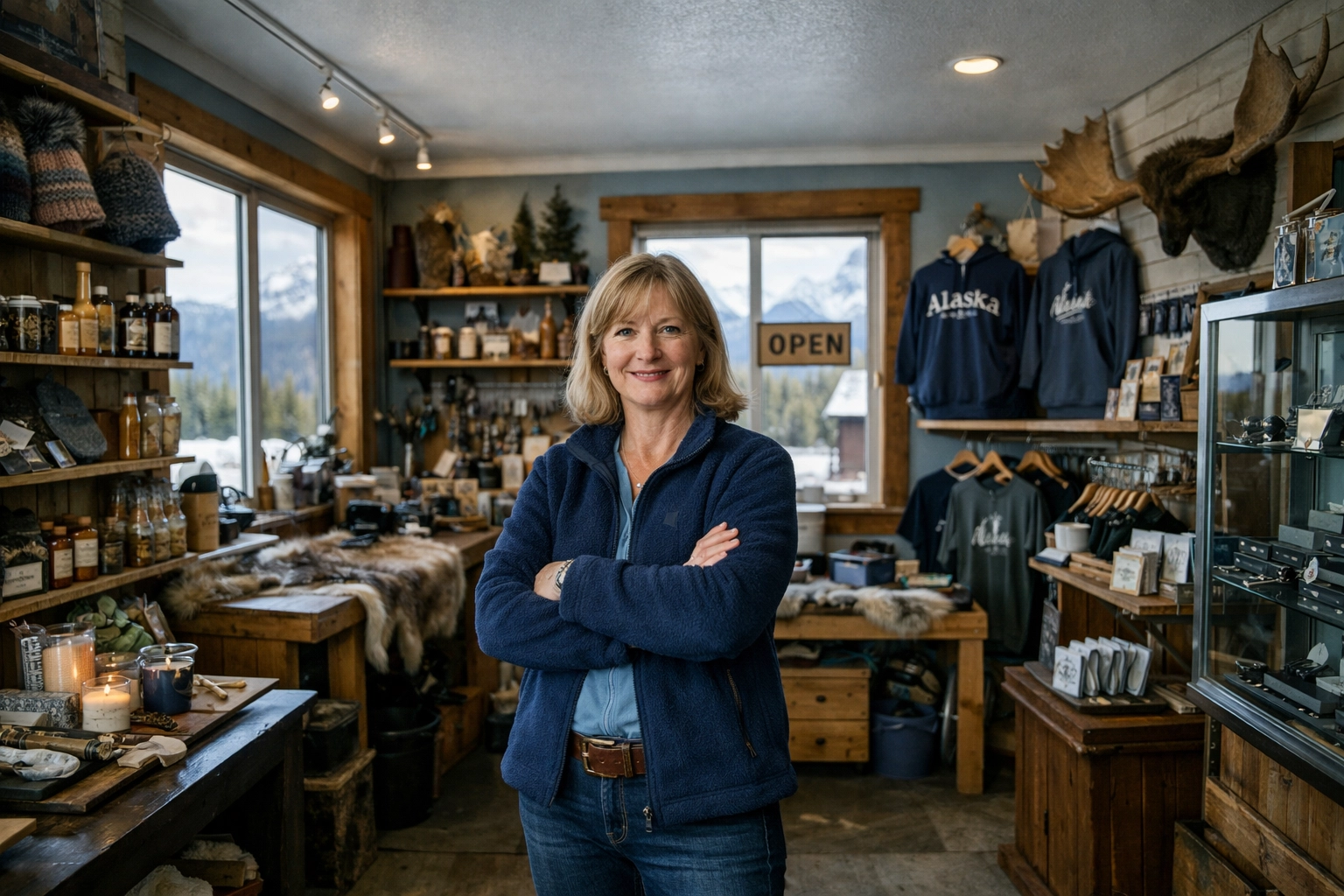
Retail Shops
You've got customers walking in daily. Slip and fall risk is constant.
Restaurants and Bars
Spilled drinks, hot coffee, food allergies gone wrong: your exposure is high.
Contractors and Tradespeople
You're working on other people's property. Accidents happen. Tools break things. Insurance saves you.
Consultants and Freelancers
Even if you work from home, clients visit. You meet them at coffee shops. You're still exposed to liability claims.
Event Planners and Hospitality
You're dealing with crowds, vendors, and unpredictable Alaska weather. Coverage isn't optional.
Healthcare and Wellness Providers
If you interact with the public in any health-related capacity, you're a lawsuit waiting to happen without proper coverage.
Even if Alaska law doesn't mandate it for your specific business, your landlord probably does. Most commercial leases require General Liability as a condition of renting space.
And if you're bidding on contracts? Clients will ask for a Certificate of Insurance before they'll work with you.
What About Sole Proprietors?
You might think, "I'm just a one-person operation. I don't need this."
Wrong.
Being small doesn't protect you. In fact, it makes you more vulnerable. One lawsuit could wipe out your savings, your equipment, and your ability to keep working.
General Liability protects your personal assets too. Without it, a claimant can come after your house, your car, your bank accounts: everything.
What General Liability Doesn't Cover
Let's clear up some confusion.
Employee Injuries
If one of your workers gets hurt on the job, General Liability won't help. That's what Workers' Compensation Insurance is for.
Professional Mistakes
If you give bad advice or make an error in your professional services, you need Professional Liability (also called Errors & Omissions). General Liability won't touch it.
Your Own Property
If your building burns down or your equipment gets stolen, that's covered under Commercial Property Insurance, not General Liability.
Cyberattacks
Data breaches, ransomware, hacking: those require Cyber Liability Insurance.
Think of General Liability as one piece of a bigger puzzle. It's essential, but it's not everything.
Making It Work for Your Business
Getting General Liability isn't complicated. But doing it right takes a little homework.
Talk to a Local Agent
Alaska businesses face unique risks. Work with someone who gets that. Someone who understands that "winterizing your premises" isn't just a suggestion: it's survival.
Review Your Limits
Coverage limits vary. Make sure yours are high enough to actually protect you. If you're signing big contracts or working in high-risk environments, you might need higher limits or even an Umbrella Policy on top.
Bundle and Save
Many insurers offer Business Owners Policies (BOPs) that combine General Liability with Commercial Property Insurance. It's often cheaper than buying them separately.
Update Annually
Your business changes. Maybe you hired more people. Maybe you expanded into a new location. Maybe you added a new service. Review your policy every year to make sure you're still covered.
The Bottom Line
General Liability Insurance isn't exciting. It's not going to help you close more sales or launch a new product.
But it will keep your business alive when things go sideways.
In Alaska, where ice, isolation, and unpredictable conditions are part of daily life, you can't afford to skip it. One slip, one accident, one angry customer with a lawyer: and you're facing bills that could shut you down.
Protect yourself. Protect your business. Get covered.
Want to talk specifics? We're here to help Alaska businesses navigate the insurance maze without the jargon or runaround. Reach out and let's make sure you've got the coverage you actually need.
Leave a Reply