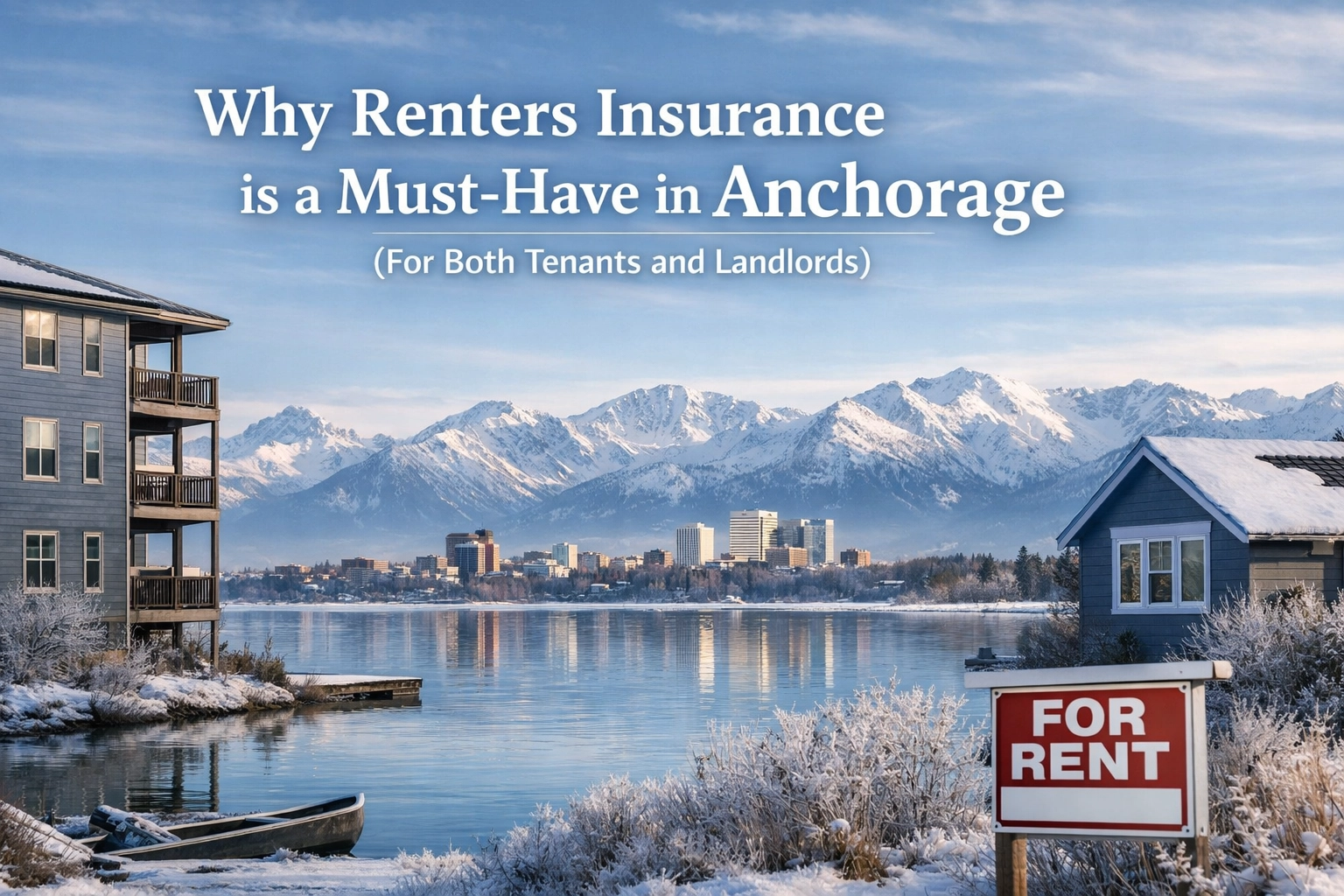
Renting in Anchorage comes with its own set of challenges.
Between the long winters, unpredictable weather, and everyday life stuff, there's a lot that can go wrong.
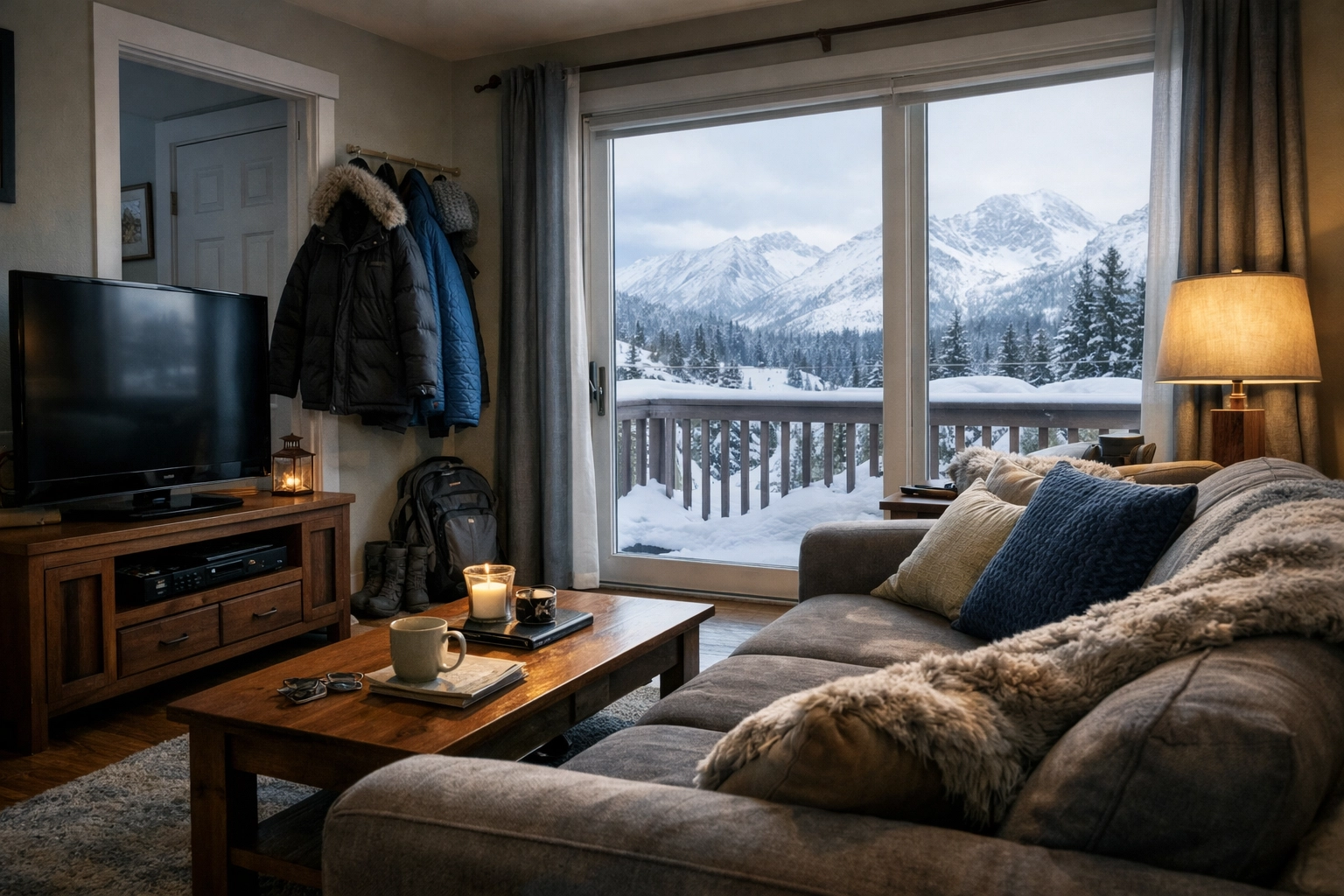
Here's the thing most renters don't realize: your landlord's insurance doesn't cover your stuff. Not your couch. Not your TV. Not your winter gear.
That's where renters insurance comes in.
And if you're a landlord or property manager? You've got your own reasons to care about whether your tenants have it.
Let's break down why renters insurance matters for everyone involved.
What Exactly Does Renters Insurance Cover?
Before we dive into the "why," let's get clear on the "what."
Renters insurance typically covers three main areas:
- Personal property protection – Your belongings are covered if they're damaged or stolen due to things like fire, theft, or vandalism.
- Liability coverage – If someone gets hurt in your rental or you accidentally damage someone else's property, this helps cover medical bills and legal costs.
- Loss of use – If your place becomes unlivable because of a covered event (like a fire), this helps pay for temporary housing and living expenses.
Pretty solid coverage for something that costs less than a streaming subscription.
Why Tenants in Anchorage Need Renters Insurance
Let's talk to the renters first.
You might be thinking, "I don't own that much stuff" or "Nothing bad is going to happen to me."
We get it. But hear us out.
Your Landlord's Insurance Won't Save You
This is the biggest misconception out there.
Your landlord has insurance on the building. The structure. The walls and the roof.
But your personal belongings? That's on you.
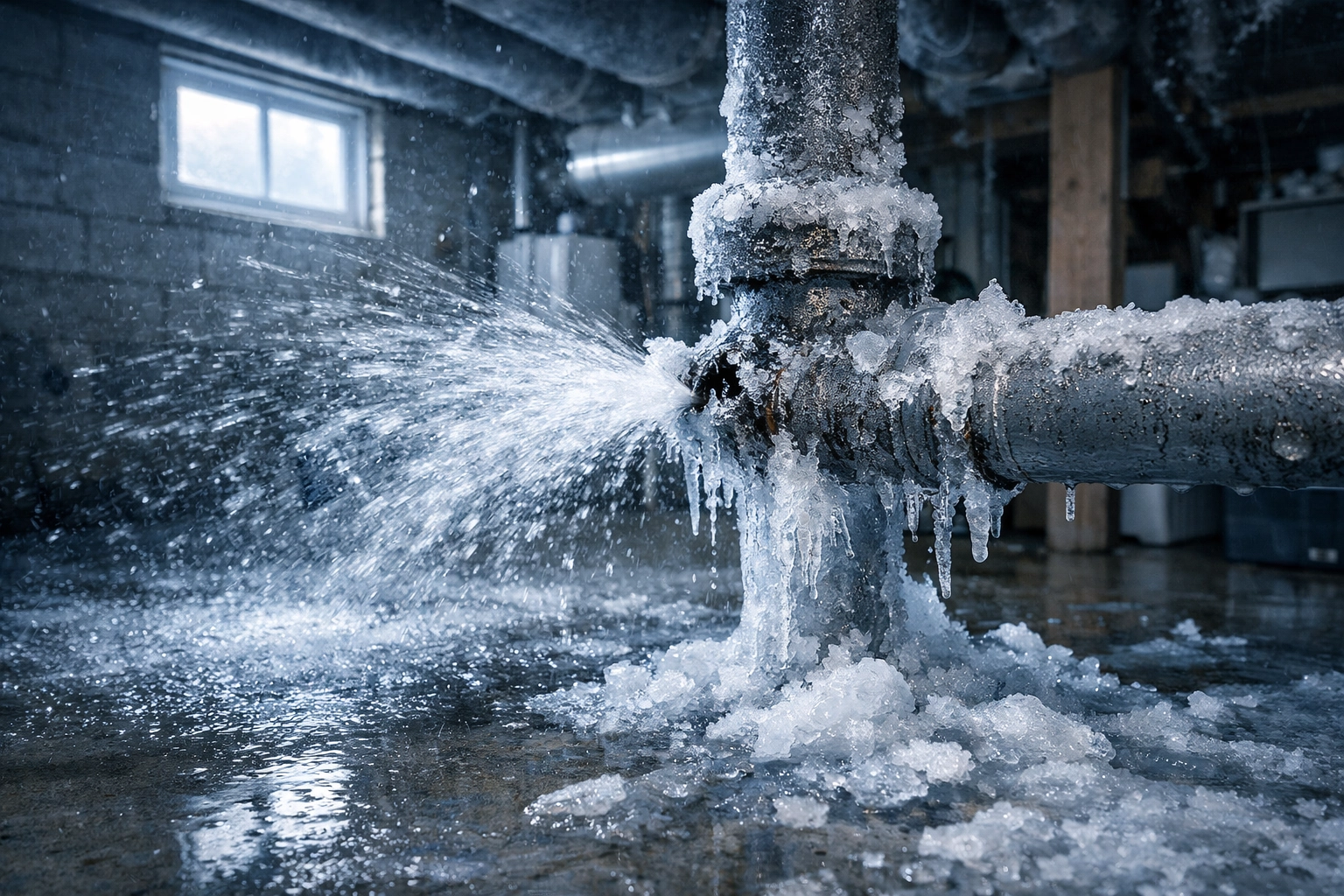
If a pipe bursts and floods your apartment, your landlord's policy covers the damage to the unit itself. Your furniture, electronics, clothing, and everything else you own? Not covered.
You'd be left replacing everything out of pocket.
Protection From the Unexpected
Anchorage has its fair share of surprises.
Frozen pipes. Power outages. Break-ins. Accidents happen.
Renters insurance protects your stuff from covered events like:
- Fire and smoke damage
- Theft and vandalism
- Water damage from burst pipes
- Wind and hail damage
Think about everything you own. Now imagine having to replace it all at once.
That's a financial hit most people aren't prepared for.
Liability Coverage is a Lifesaver
Here's a scenario: A friend comes over, slips on your icy steps, and breaks their arm.
Without renters insurance, you could be on the hook for their medical bills. Maybe even a lawsuit.
With liability coverage, your policy steps in to help cover those costs.
It's not just about protecting your stuff. It's about protecting yourself from situations you never saw coming.
Temporary Housing When You Need It Most
Let's say there's a fire in your building.
Even if it wasn't in your unit, smoke and water damage might make your place unlivable for weeks.
Where do you go? How do you pay for a hotel and meals while repairs are happening?
Loss of use coverage helps with exactly that. It gives you breathing room during a stressful situation.
It's Surprisingly Affordable
Here's the best part.
Finding cheap renters insurance in Anchorage AK is easier than you might think.
The average cost in Alaska runs around $20 a month. That's less than a pizza delivery.
For that small amount, you get peace of mind knowing you're covered if life throws you a curveball.
Why Landlords and Property Managers Should Require It
Okay, landlords. This section is for you.
If you're not already requiring renters insurance in your lease agreements, it's time to reconsider.
Here's why it's a smart move.
It Reduces Your Risk
When tenants don't have renters insurance, guess who they look to when something goes wrong?
You.
Even if their claim isn't valid, dealing with angry tenants and potential disputes takes time and energy.
When tenants have their own coverage, they have somewhere to turn. It keeps you out of the crossfire.
Liability Protection Goes Both Ways
Remember that slip-and-fall scenario we mentioned?
If your tenant doesn't have liability coverage and someone gets injured in their unit, things can get messy fast.
When tenants carry their own liability insurance, it adds another layer of protection for everyone involved.
It's not about avoiding responsibility. It's about making sure the right coverage is in the right place.
Peace of Mind for Your Investment
You've put a lot into your rental property.
Requiring renters insurance shows that you take your investment seriously. It also attracts tenants who are responsible and prepared.
Tenants who get renters insurance tend to be the ones who take care of things. They read the lease. They pay attention to details.
That's the kind of tenant you want.
It's Becoming Standard Practice
More and more landlords across Anchorage are making renters insurance a lease requirement.
It's simple to add to your rental agreement. And most tenants understand why it's there.
You're not being unreasonable. You're being smart.
The Challenge: Making Sure Coverage Stays in Place
Here's something that doesn't get talked about enough.
Requiring renters insurance is great. But what happens when a tenant's policy lapses?
Maybe they forgot to pay the premium. Maybe they switched policies and there's a gap. Maybe they just let it expire.
Suddenly, that protection you were counting on? Gone.
And you might not even know about it until something goes wrong.
Monitoring for Lapses
This is where things get interesting.
There are ways to stay on top of your tenants' coverage without having to chase them down every month.
Some landlords use tracking systems that alert them when a policy is canceled or expires. Others work with insurance partners who help manage compliance.
The key is having a system in place so you're not caught off guard.
We'll dive deeper into this topic in a future post. For now, just know that requiring renters insurance is step one. Making sure it stays active is step two.
How to Get Started
Whether you're a renter looking for coverage or a landlord updating your lease requirements, the process is pretty straightforward.
For tenants:
- Shop around and compare quotes
- Look for policies that cover your specific needs
- Ask about discounts (bundling with auto insurance often saves money)
For landlords:
- Add a renters insurance requirement to your lease
- Specify minimum coverage amounts
- Consider how you'll verify and track compliance
If you're in Anchorage and have questions about renters insurance, we're happy to help point you in the right direction.
The Bottom Line
Renters insurance isn't just a nice-to-have. It's a must-have.
For tenants, it protects your belongings, covers your liability, and gives you options when things go sideways.
For landlords and property managers, requiring it reduces risk, protects your investment, and attracts responsible renters.
And for everyone involved, it brings peace of mind.
Got questions about renters insurance or want to learn more about keeping coverage in place? Reach out to us anytime. We're here to help you navigate the Last Frontier: insurance and all.
Leave a Reply