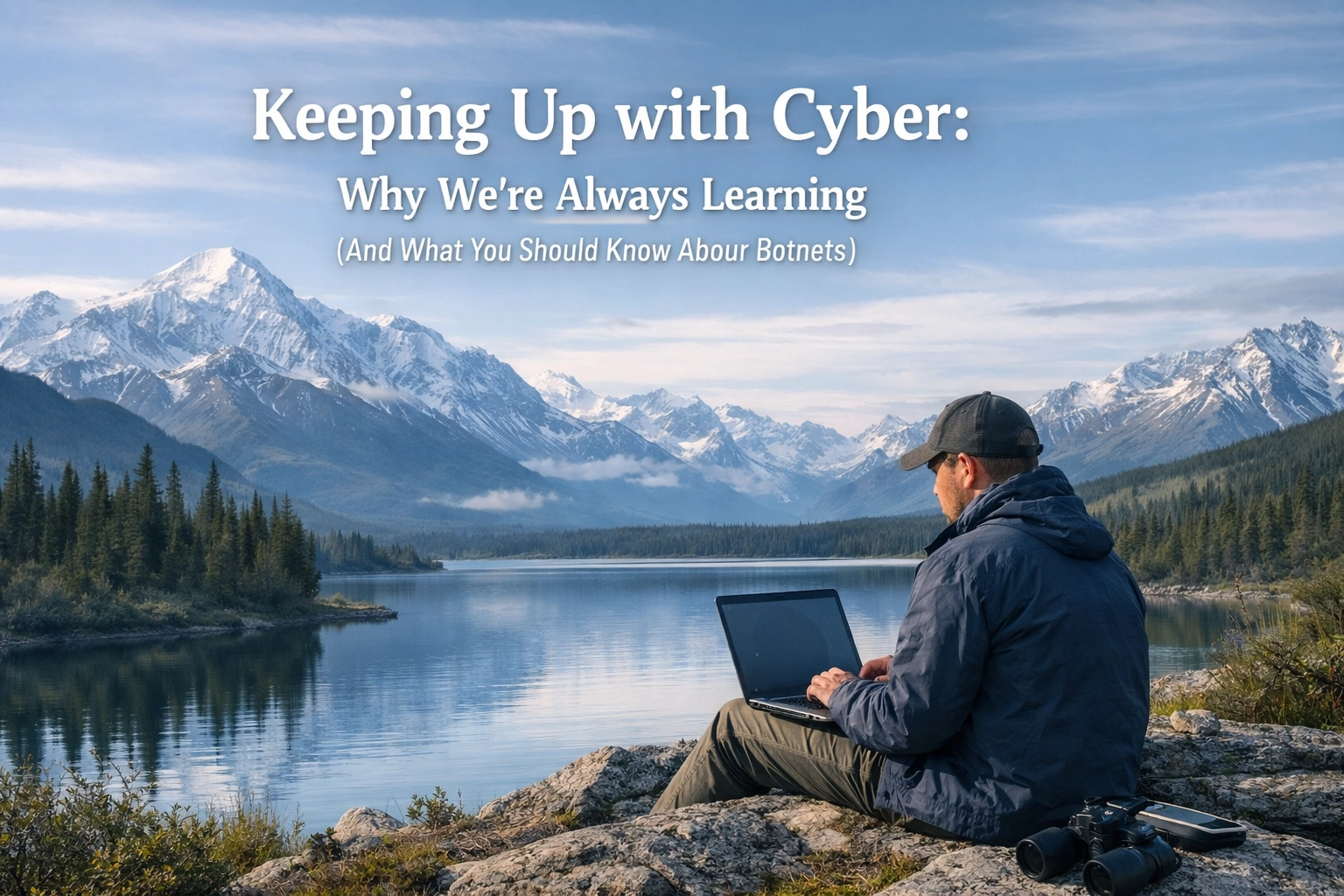
The digital world moves faster than a Nenana ice break-up.
Just when you think you have your business passwords and firewall figured out, something new pops up on the horizon.
Cyber security is always changing.
Hackers don’t take vacations, and they don’t stop innovating.
That’s why it helps to understand today’s most common threats in plain English, so you can protect your business before a problem turns into a claim.
One topic that keeps coming up for businesses of all sizes: botnets.
What Exactly Is a Botnet?
You might have heard the term "botnet" in a movie or a tech article, but what does it actually mean for your shop or office?
In simple terms, a botnet is a network of hijacked computers.
The word comes from "robot" and "network."
Hackers use malware to take control of many different computers at once without the owners ever knowing.
These compromised devices are often called "zombies."
How Your Computer Becomes a "Zombie"
Imagine your work computer is performing its normal tasks during the day.
You’re sending emails, checking inventory, and helping customers.
But in the background, a small piece of hidden code is waiting for instructions from a stranger miles away.
Your computer is still "alive" and working for you, but it’s also following the orders of a "bot herder."
When thousands of these zombie computers are linked together, they form a powerful tool for cybercriminals.
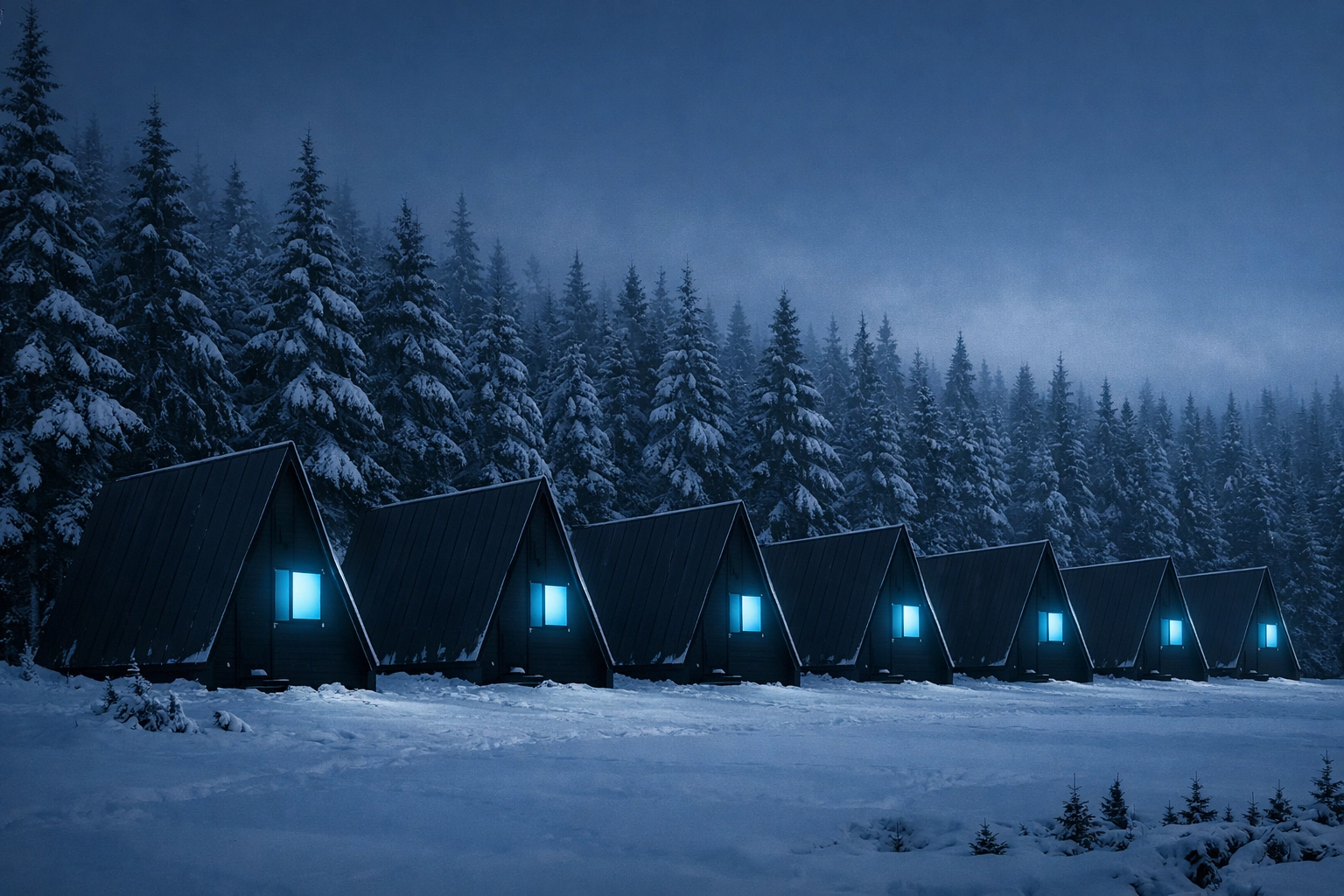
Why Should an Alaska Business Care?
You might think, "Why would a hacker want my computer? I’m just a small local business."
The truth is, botnets don't always want your specific data: though they might take that too.
Often, they just want your computer's processing power and its internet connection.
They want a "soldier" to add to their army.
A botnet can be used to launch massive attacks on other websites or to send out millions of spam emails.
The Harmful Side of Botnets
When your business computers become part of a botnet, it causes several major problems.
First, your systems will likely slow down significantly because they are busy doing work for someone else.
Second, your business IP address could get "blacklisted."
This means other companies might stop receiving your legitimate emails because your server is flagged as a source of spam.
Worst of all, a botnet can be used to steal your login credentials or customer information.
Distributed Denial of Service (DDoS)
One of the most common uses for a botnet is a DDoS attack.
This is when the bot herder commands thousands of zombie computers to visit a single website all at the same time.
The targeted website can't handle the traffic and crashes.
If your computers are part of the botnet, you are accidentally helping to take down another business.
This can lead to serious liability issues and a massive headache for your IT department.

The Hidden Cost of an Infection
Cleaning up after a botnet infection isn't as simple as running a quick scan.
You often have to wipe machines, reset every password, and notify your clients if data was breached.
This takes time away from your actual work and costs money.
This is where your Professional Liability E&O or dedicated cyber coverage steps in.
Without the right protection, the cost of "curing" your zombie computers can be a heavy burden.
How to Tell if Your Computer Is a Zombie
Since botnets are designed to be quiet, they can be hard to spot.
However, there are a few warning signs you should watch for in your office.
If your fans are running at full speed even when you aren't doing anything, that’s a red flag.
Unusually slow internet speeds or frequent system crashes can also indicate something is wrong.
Sometimes, your contacts might tell you they are receiving strange emails from your address that you never sent.
Simple Steps for Digital Safety
You don't have to be a tech genius to protect your business.
The most important thing is to keep all your software and operating systems updated.
Those "update available" pop-ups are often providing patches for the very vulnerabilities botnets use to get in.
Use strong, unique passwords for every account and turn on multi-factor authentication whenever possible.
Educate your team about not clicking on suspicious links or downloading unknown attachments.

Keep Adapting as Threats Change
Cyber threats evolve fast, because attackers adapt to whatever businesses start doing to protect themselves.
That’s why “set it and forget it” security usually falls behind.
A solid routine beats a one-time project.
Keep your software updated, tighten access as your team changes, and treat unusual logins, strange emails, and random slowdowns like a signal to investigate.
We Stay on Top of It for You
At Last Frontier Insurance LLC, we’ve learned that cyber insurance isn’t something you review once and never touch again.
We keep reading, training, and learning, because your risks in 2026 don’t look like your risks in 2010.
When something like botnets spikes in real-world claims and news, we translate it into what it means for an Alaska business like yours.
Let’s Review Your Coverage
Does your current insurance plan help with the fallout from a botnet, a DDoS attack, or a data breach?
Many business owners assume they’re covered under a general policy, but that isn’t always the case.
We can help you look at your services and spot possible gaps.
Whether you need help with general liability or cyber coverage, we’ll walk you through options that fit your business.
If you have questions about botnets or any other cyber concerns, reach out to us at Last Frontier Insurance LLC.

Your Local Experts
John Gonzalez and the entire team are dedicated to the safety of our community.
We live here, we work here, and we care about the success of your business.
Let’s make sure your hard work is protected from the invisible threats of the modern world.
Give us a call or visit our home page to learn more about how we can help.
Stay safe, stay updated, and keep your business moving forward.
Leave a Reply