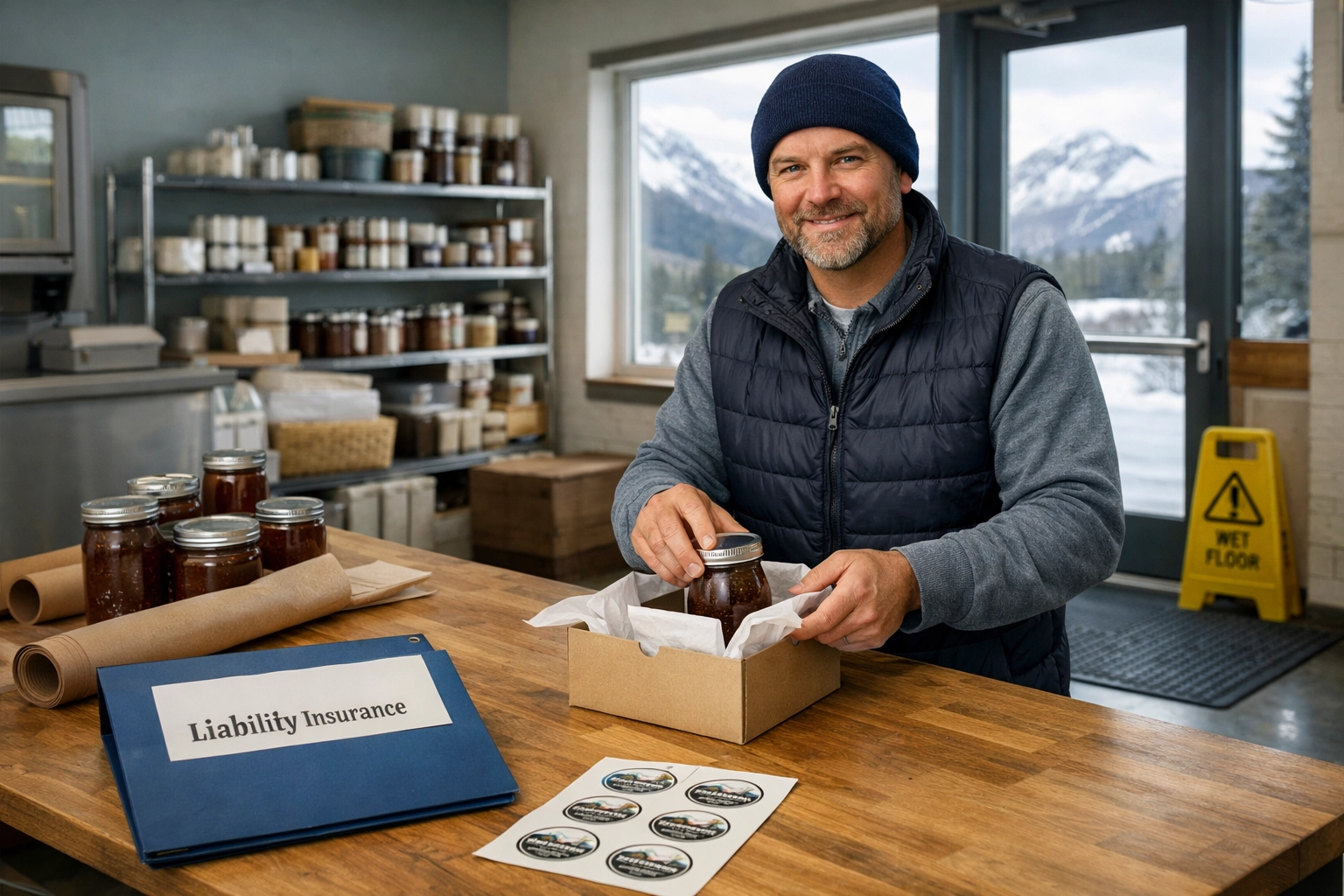
You sell handmade birch syrups at the Saturday Market. A customer trips over your display table and sprains their ankle. That's one kind of claim.
Three weeks later, someone buys your syrup, takes it home, and has an allergic reaction you didn't warn them about on the label. That's a completely different kind of claim.
Same business. Two totally different insurance policies.
If you make, sell, or distribute products in Alaska: whether it's fish you caught, candles you poured, or gear you imported: you need to understand the difference between General Liability and Product Liability. Because one covers the trip, and the other covers the syrup.
What General Liability Actually Covers
General Liability insurance (sometimes called Commercial General Liability or CGL) protects your business when someone gets hurt or something gets damaged during your normal operations: usually at your location or while you're working.
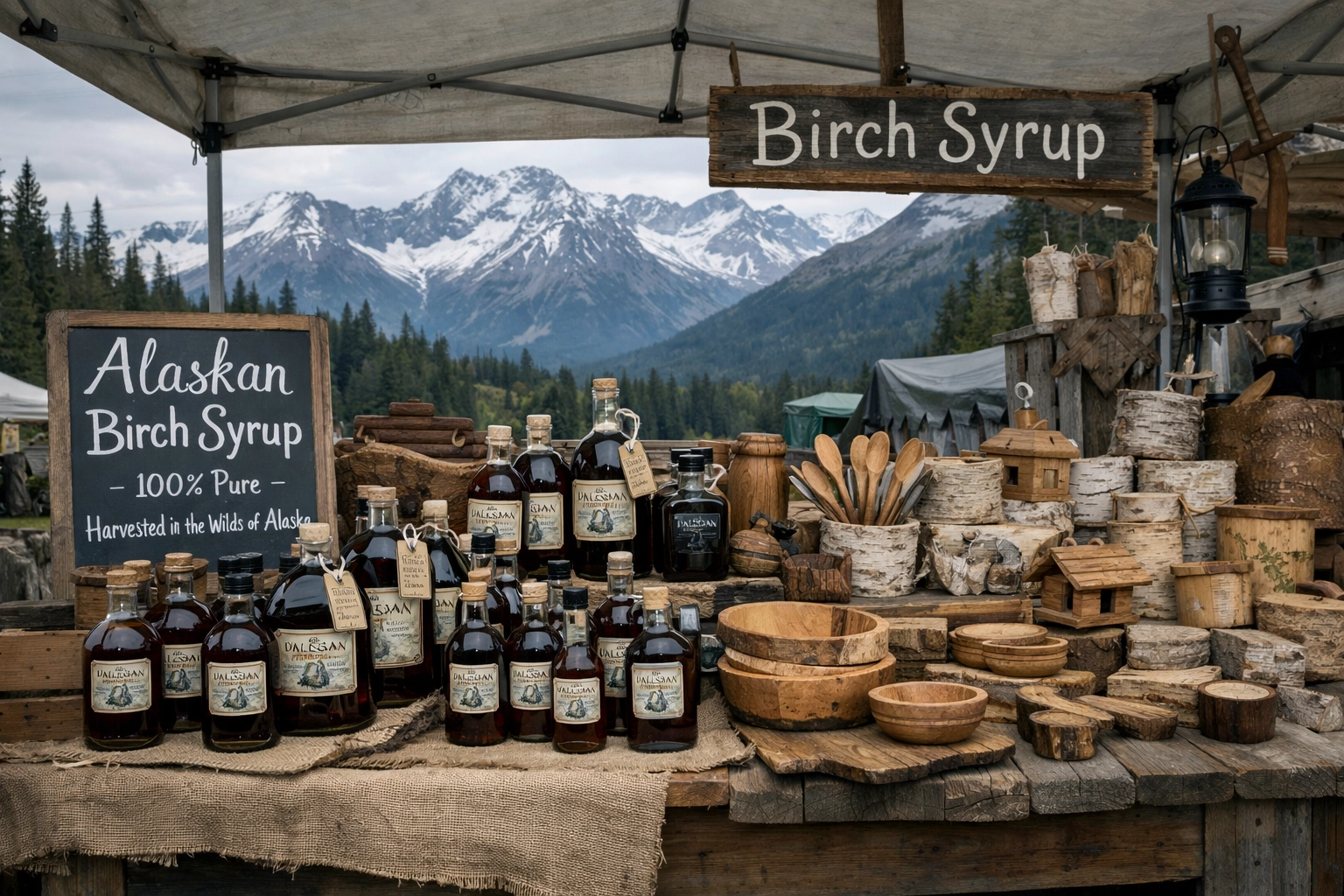
Here's what that looks like in real life:
- A customer slips on ice outside your Anchorage storefront
- Your employee accidentally knocks over a client's antique lamp during a service call
- A vendor trips over your electrical cords at a trade show booth
- Someone claims your business card design copied their logo (advertising injury)
General Liability is the "oops, that happened here" coverage. It's about what happens on-site or during the work itself: not what happens after your product leaves your hands.
Most Alaska landlords require proof of General Liability before you sign a commercial lease. If you're applying for a vendor permit at a festival or farmers market, they'll ask for it. It's the baseline business insurance alaska policy that almost every operation needs.
What Product Liability Covers (And Why It's Different)
Product Liability kicks in when the thing you sold causes harm: even if the sale happened weeks, months, or years ago.
It doesn't matter if you made the product from scratch in your garage or you're reselling something someone else made. If your business name or logo is on it, or if you sold it, you can be held responsible.
Here's what Product Liability covers:
- Design defects: The product was flawed from the blueprint stage (like a baby carrier that isn't structurally safe, even when made correctly)
- Manufacturing defects: Something went wrong during production (contaminated salmon, a cracked tool handle, a batch with the wrong ingredients)
- Failure to warn: You didn't include instructions, warnings, or allergen info that a reasonable person would expect
Let's say you run a small cannery in Kenai and sell smoked salmon online. A customer gets food poisoning two weeks after they bought a jar. General Liability won't touch that claim. That's a Product Liability issue, because the harm came from the product itself, not from slipping in your shop.
Even if you're just reselling gear: like a sporting goods shop that stocks kayaks made in Washington: you can still be named in a lawsuit if that kayak cracks and someone gets hurt. The manufacturer will likely be the main target, but your business can get pulled in too.
The Real-World Difference: Two Claims, Two Policies
Here's a side-by-side example that makes it crystal clear.
Scenario 1: The Trip (General Liability)
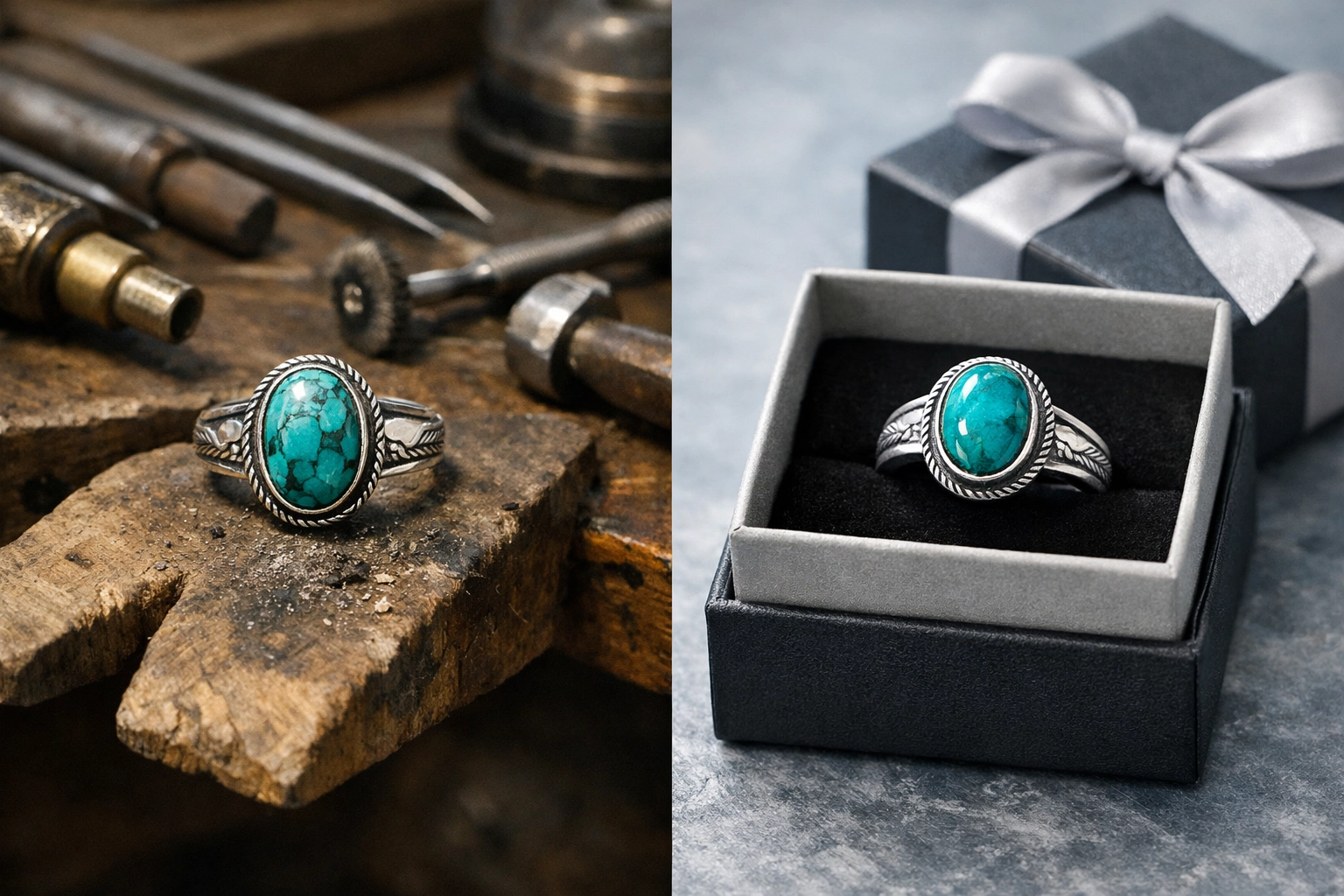
You're a jeweler selling handmade pieces at a pop-up in downtown Anchorage. A customer trips over your display stand and breaks their wrist. They sue you for medical bills and lost wages.
Your General Liability policy steps in. It covers the injury that happened at your booth during your business operations.
Scenario 2: The Ring (Product Liability)
That same customer buys a ring from you. A week later, they have a severe allergic reaction to the metal: something you didn't disclose. They claim you sold a defective product without proper warnings.
Your Product Liability coverage (or the Products-Completed Operations section of your CGL) handles this. The harm came from the product itself, long after the sale.
One business. One day. Two totally different claims that require two different coverages.
Do You Need Both? (Probably Yes)
If you make or sell physical products, you almost certainly need both General Liability and Product Liability coverage.
The good news? Most liability insurance alaska policies bundle them together. A standard Commercial General Liability policy usually includes a "products-completed operations hazard" section, which is insurance-speak for Product Liability.
But here's the catch: the limits matter.
A basic $1 million policy might sound like a lot, but if you're selling food, cosmetics, or anything that goes on or in someone's body, you may need higher limits or a separate Product Liability policy with beefed-up coverage.
If you only provide services (like consulting, DJing, or bookkeeping), you primarily need General Liability. You're not handing someone a physical product that could cause harm down the road.
But even service businesses should double-check their coverage. If you sell branded merch, downloadable guides, or anything with your logo on it, you might have more product exposure than you think.
What About "I Didn't Make It, I Just Sell It"?
A lot of Alaska retailers think they're off the hook because they didn't manufacture the product.
Not true.
If you put your business name on it, private-label it, or sell it under your brand, you're in the liability chain. Even if you're just a middleman, you can still get named in a lawsuit.
Let's say you run a gift shop in Juneau and you sell locally made soaps. One of those soaps causes a rash. The customer can sue the soap maker and your shop, because you were part of the distribution chain.
Your General Liability won't cover that. You need Product Liability protection: or at minimum, you need to make sure your vendors carry their own coverage and that you're listed as an Additional Insured on their policy.
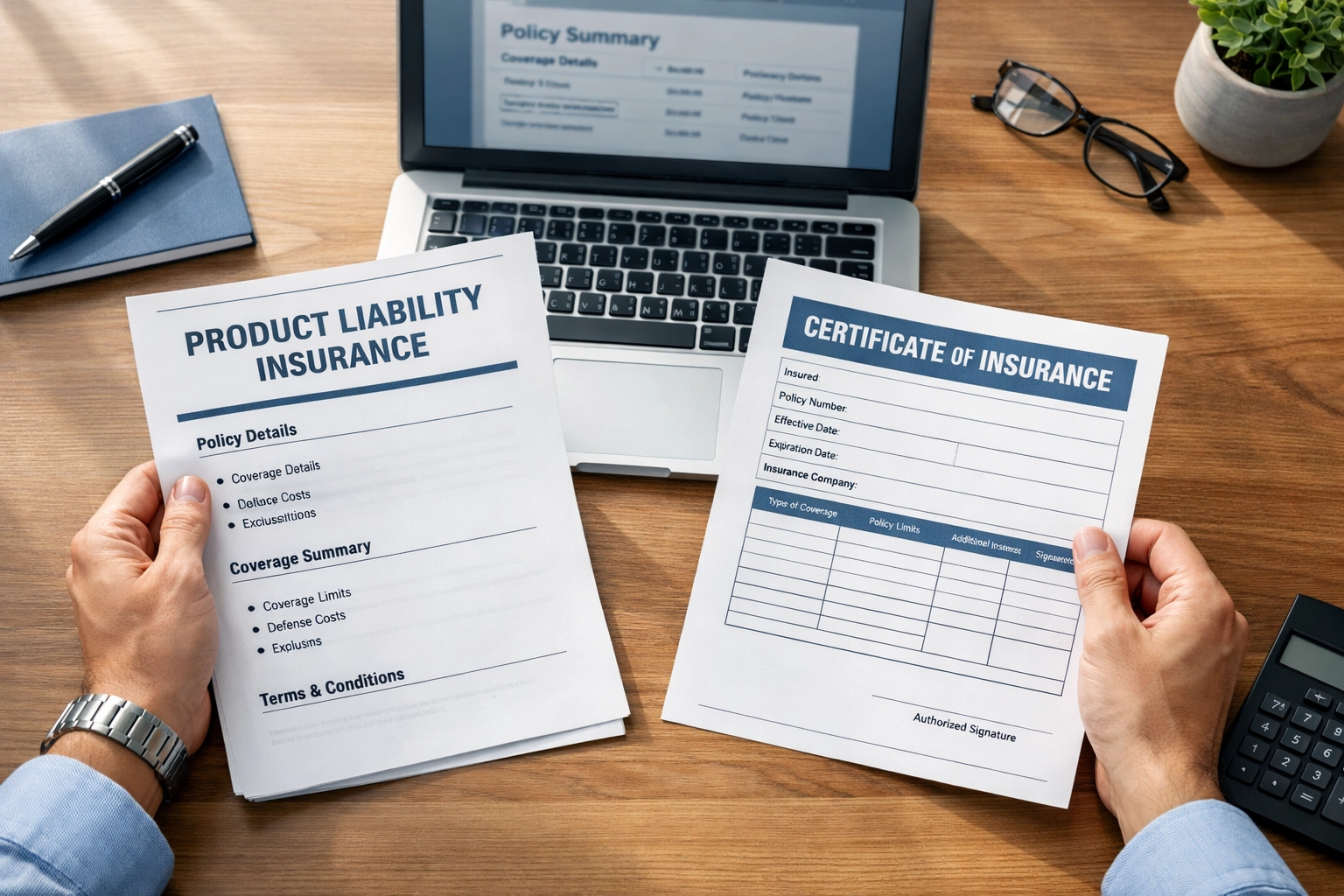
Before you stock a new product line, ask the supplier for their Certificate of Insurance. Verify they have Product Liability coverage with limits that actually make sense. If they don't, think twice.
How to Know What You Actually Have
Most business owners have no idea whether their current policy includes Product Liability or not. They know they have "business insurance," but they've never read the actual policy.
Here's how to find out:
- Pull out your Declarations Page (the summary document your agent gave you when you bought the policy)
- Look for the section that says "Products-Completed Operations" or "Product Liability"
- Check the limits. Are they the same as your General Liability limits, or separate?
- If you don't see it listed, call your agent and ask directly: "Does my policy cover claims from products I sell after the sale is complete?"
If the answer is no: or if your agent doesn't know: it's time to fix that gap.
What Happens If You Don't Have the Right Coverage
Let's say you're a maker selling skincare products and someone files a claim. You assume your General Liability will handle it. But when you file the claim, your insurance company says, "That's a product issue. We don't cover that under your policy."
Now you're paying for a lawyer out of pocket. You're covering the settlement yourself. And if the claim is big enough, it could shut your business down.
The whole point of insurance is to transfer that risk. But if you have the wrong policy, the risk stays with you.
The Bottom Line: Know What You're Covered For
General Liability covers the "oops" moments that happen at your business or during your work. Product Liability covers the harm that comes from what you sold, even after it's out of your hands.
If you make it, sell it, or slap your logo on it, you need both.
Most Alaska businesses can get both coverages in one Commercial General Liability policy. But you have to actually check your policy and make sure the limits are high enough for the products you're selling.
Not sure what you have? Let's look at it together. We review policies for Alaska makers, retailers, and small businesses every week. Sometimes it's a quick "you're good." Other times, we find a gap that could've cost you everything.
Last Frontier Insurance LLC
907-563-3120
JohnGonzalez@insureak.com
www.insureak.com
We're locals. We get it. And we're here to make sure your coverage actually matches what you're selling.
Leave a Reply