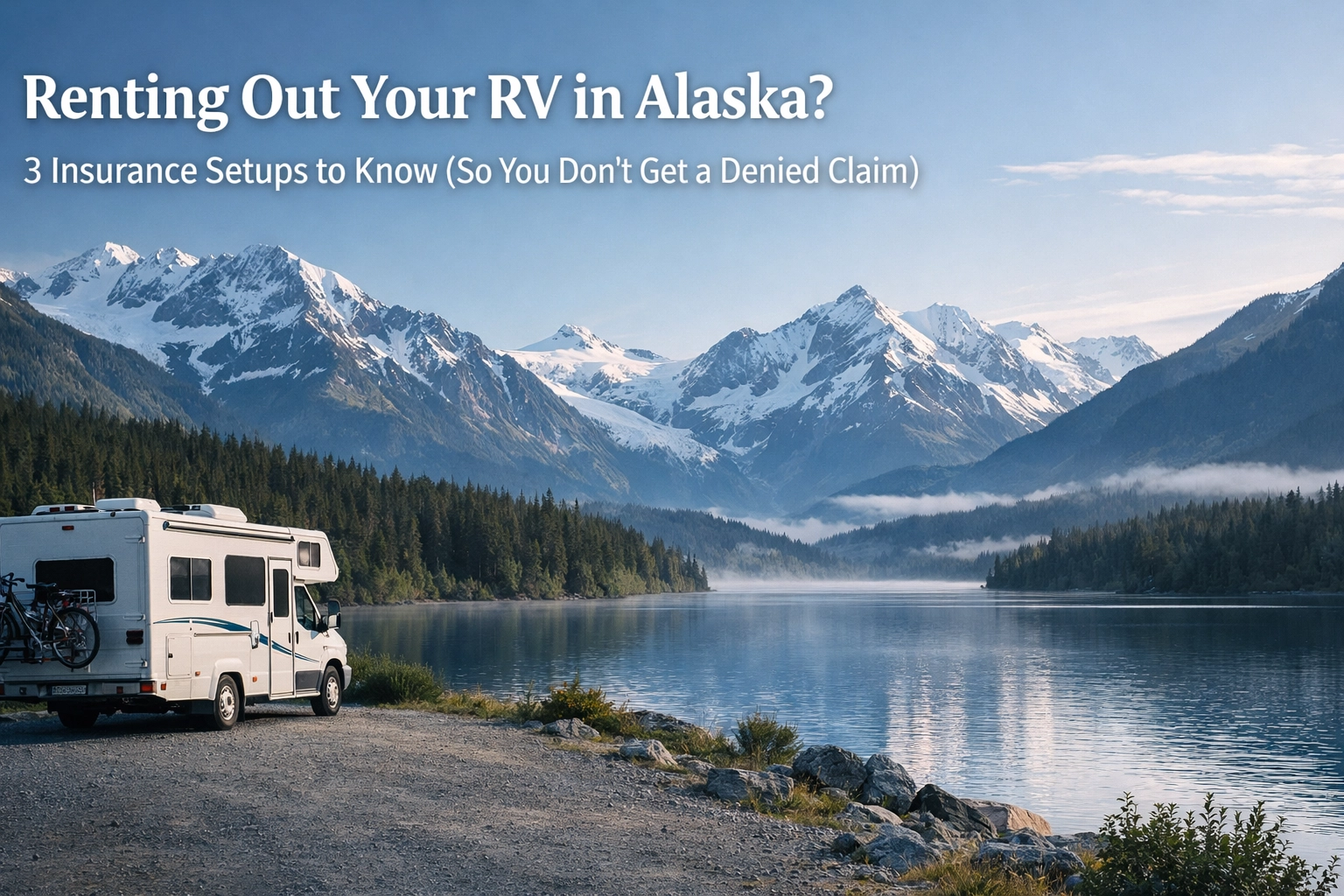
Your RV is sitting in the driveway. You're not using it for the next few weeks. A friend (or a stranger on the internet) wants to rent it for a trip across Alaska.
Easy money, right?
Maybe. But here's the thing most RV owners in Alaska don't think about until it's too late: how you use your RV matters to your insurance company. A lot.
If your policy says "personal use" and you're collecting rent from someone, you might be looking at a denied claim when something goes wrong. And statewide Alaska—with long distances, gravel stretches, wildlife encounters, and fast-changing weather—things can go wrong fast.
Let's break down the three main insurance setups you need to understand before you hand over those keys. (This article is queued for early March, right when RV season starts ramping up.)
The Coverage Gap Nobody Talks About
Here's the short version: most standard RV insurance policies are written for personal use.
That means you, your family, and maybe a close friend driving your rig on vacation. The moment you start renting it out, whether it's to a coworker for a weekend or through a platform like Outdoorsy or RVshare, you've changed how the RV is being used.
And if your policy doesn't match how you're actually using the vehicle? Your carrier can deny a claim.
It doesn't matter if you've paid your premiums on time for years. If the use doesn't match the policy, you could be on the hook for repairs, liability, or worse.
This is why understanding RV insurance in Alaska is so important before you rent out your rig.
Setup #1: Personal Use Only
This is the most common setup. Your RV is insured for you and your household to use for personal trips.
What it covers (typically):
- Liability if you cause an accident
- Collision and comprehensive damage
- Sometimes roadside assistance and personal belongings
What it doesn't cover:
- Anyone renting the RV from you
- Commercial activity of any kind
- Damage that happens while someone else is paying to use it
If you're not planning to rent out your RV at all, this setup is probably fine. But the second you accept money for someone else to use it, even once, you're outside the bounds of most personal use policies.
Bottom line: Personal use policies are for personal use. Full stop.
Setup #2: Commercial Use (Renting as a Business)
If you're serious about renting out your RV—meaning it's a regular side hustle or a real business—you'll likely need a commercial RV policy.
This is the route many small rental operators take. It's also common for owners who rent out multiple units or advertise publicly.
What a commercial RV policy is built for (in general):
- Renting to people you don’t personally know
- Regular, paid use
- Clear rules around who can drive and when coverage applies
Things to keep in mind:
- It usually costs more than personal-use coverage
- The insurer will ask how often you rent, who drives, and where the RV is stored
Commercial coverage is often the cleanest fit when rentals are frequent. If you only rent a few times per year, you may have other options—which brings us to setup #3.
Setup #3: Peer-to-Peer Sharing (Rental Platforms)
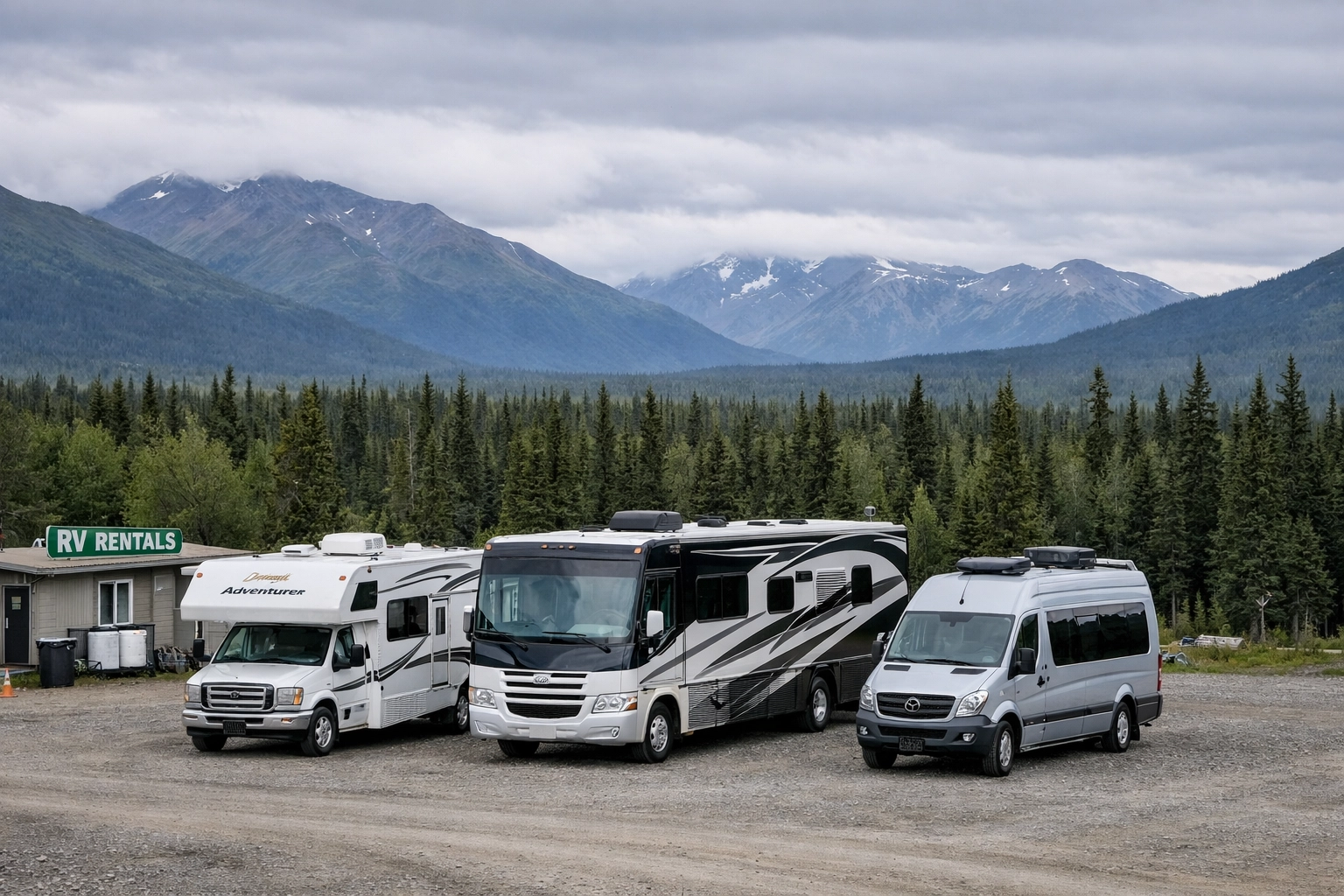
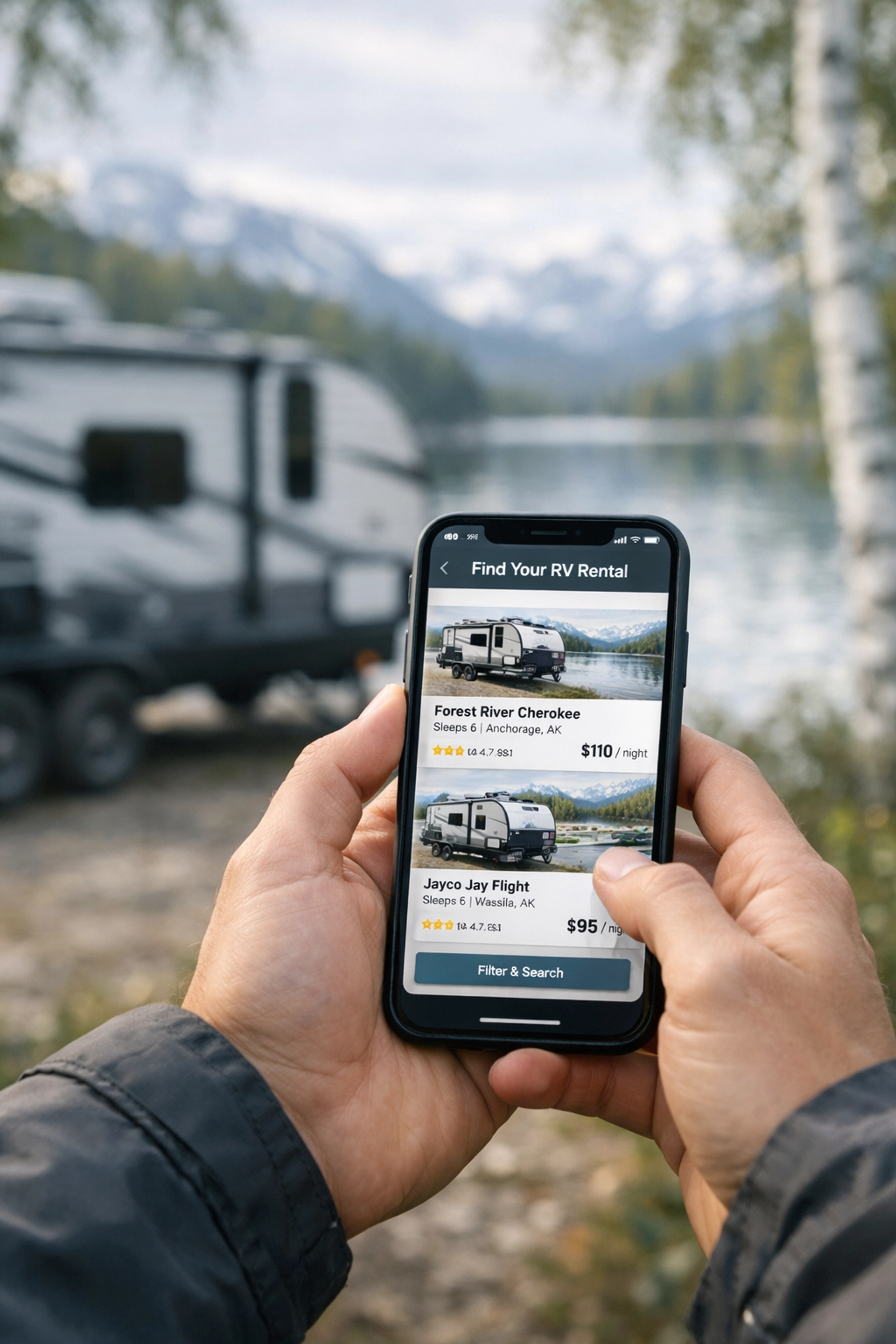
Peer-to-peer rental platforms make it easy to list your RV, find renters, and handle payments.
But here's where it gets tricky: the platform may offer coverage during the rental, and your personal policy may exclude rentals entirely. Those two things don’t always line up the way people assume.
So what do you do?
Option A: Rely on the platform’s coverage during the rental
Many platforms offer coverage that applies during the rental period. What’s included (and what’s excluded) can vary a lot, especially around things like gravel roads, remote travel, and where the RV can be taken.
Option B: Add rental-friendly coverage to your own insurance
Some insurers offer options that keep your underlying policy in place while addressing peer-to-peer rentals. Availability varies, and the details matter.
Option C: Coordinate a “pause/primary coverage” approach
Some owners try to reduce overlap by coordinating when their personal coverage applies versus when the platform’s coverage applies. This can get complicated fast, so it’s worth reviewing before you rely on it.
No matter which route you choose, read the fine print and make sure the coverage matches how you’re actually renting.
Your RV Rental Insurance Checklist
Before you rent out your RV: whether it's to a friend, a stranger, or through a sharing platform: ask yourself these questions:
About the driver:
- Who is driving?
- Are they listed on any policy?
- Do they have a valid license and clean driving record?
About the rental:
- How often are you renting out the RV?
- Is this a one-time thing or a regular side income?
- Are you advertising it publicly?
About the coverage:
- Does your current policy allow rentals?
- Do you need a commercial policy or a peer-to-peer rider?
- What are the liability limits?
- Is collision and comprehensive included?
- Is loss of rental income covered?
- What exclusions exist (gravel roads, remote areas, etc.)?
About storage:
- Where is the RV stored when not in use?
- Does your policy cover theft or damage while parked?
Take the time to go through this list. It could save you thousands down the road.
Document Everything in Writing
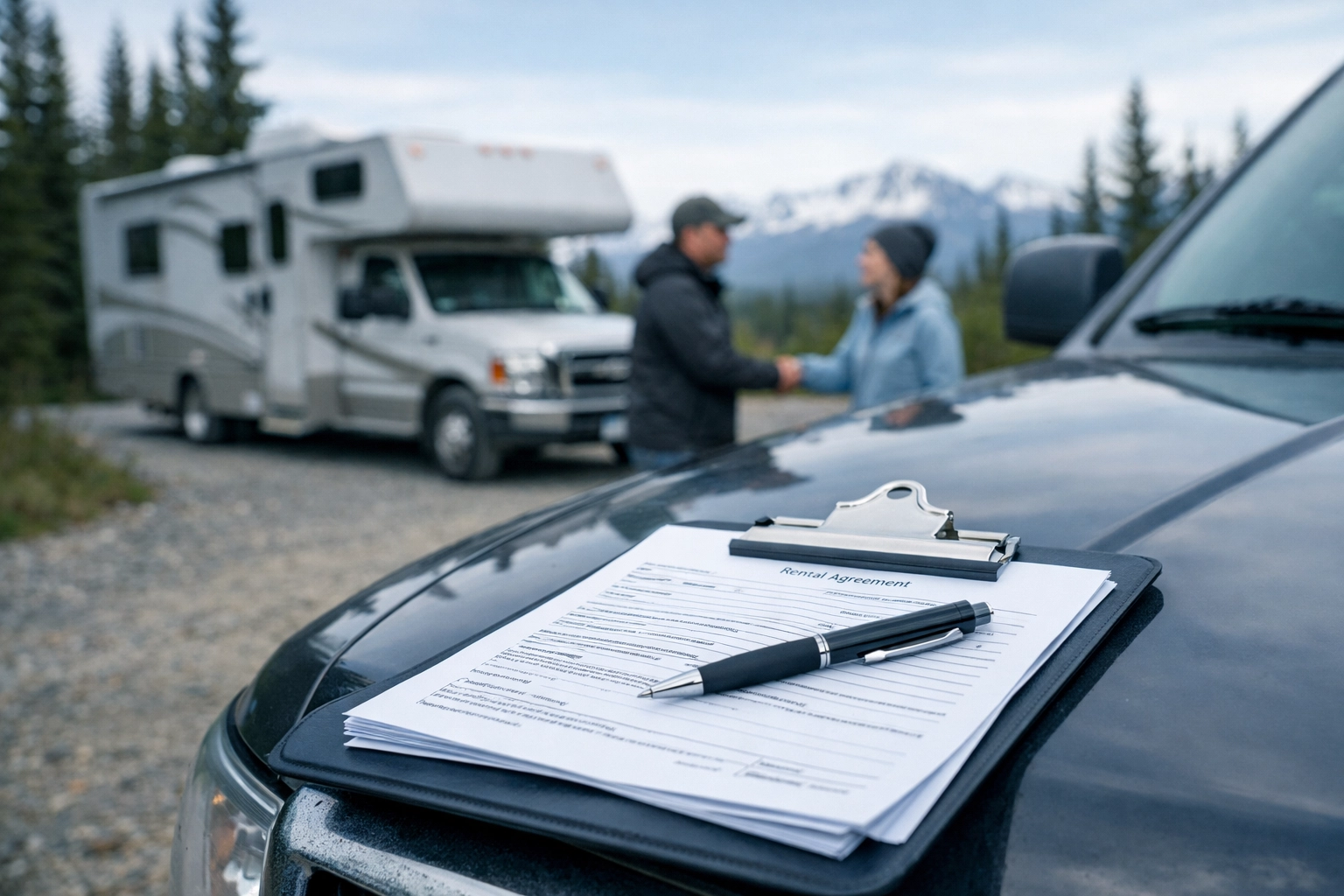
Here's a tip that applies no matter which insurance setup you choose: put the rental arrangement in writing.
Even if you're renting to a friend, create a simple agreement that covers:
- Rental dates and return time
- Who's responsible for fuel, cleaning, and minor repairs
- What happens if there's damage
- Insurance information for both parties
This protects you and the renter. And if something does go wrong, you'll have documentation to back up your claim.
Alaska-Specific Considerations
Renting out an RV in Alaska isn't quite like renting one in the Lower 48.
- Gravel roads: Many popular routes (like the Dalton Highway) are unpaved. Some policies exclude damage from gravel roads entirely.
- Remote areas: Cell service is spotty, and tow trucks can take hours to arrive. Roadside assistance coverage is worth its weight in gold.
- Wildlife: Moose, caribou, and prior occupants will not apologize. Make sure your policy covers animal strikes.
- Weather: Conditions can change fast. Comprehensive coverage helps protect against hail, wind, and other surprises.
When shopping for RV insurance in Alaska, make sure your coverage is built for the unique risks of operating up here—whether you’re based in Southeast, Southcentral, the Interior, or out West.
Ready to Talk to an Agent?
Renting out your RV can be a great way to offset ownership costs. But don’t let a coverage gap turn a side hustle into a financial headache.
Whether you need a personal policy review, a commercial RV policy, or help sorting out peer-to-peer rentals, we can help you line it up the right way.
Last Frontier Insurance LLC can shop multiple programs and carriers to help you compare options and find a setup that fits how you actually rent and travel in Alaska.
Coverage varies by carrier and policy, so it’s smart to talk through your specific situation with someone who understands RV risk statewide.
Get in touch with Last Frontier Insurance and let’s make sure your RV—and your wallet—are protected before you hand over those keys.
Leave a Reply