Nothing ruins a regular Alaska morning like realizing you’ve got water where it definitely shouldn’t be.
John (our owner) dealt with a perfect real-life example today.
Someone reached out to John for help understanding a situation they were dealing with.
They had a burst pipe in their crawlspace.
The actual “sudden loss” part was the burst and the immediate water damage.
The emergency fix was only a few hundred bucks (about $357).
Here’s the part nobody explained to them up front.
The insurance company paid zero dollars.
Why?
Because the only truly “sudden loss” item was that burst pipe repair, and it was below their deductible (they had a $1,000 deductible).
Here’s where it got messy.
A plumbing/HVAC employee looked around and suggested the client should “just file an insurance claim” for a bunch of other repairs too.
That list included things like a circulating pump and several leaky fittings.
Those items weren’t sudden.
They were wear-and-tear, aging, and maintenance.
That wear-and-tear portion (around $2,500 for the pump and leaky connections) was denied.
So from the homeowner’s perspective, they heard “file a claim,” expected help, and then got a $0 outcome.
They were understandably angry.
But once John walked them through how deductibles work and why wear-and-tear repairs aren’t what insurance is built for, they felt a lot better.
Just to be clear: they weren’t actually John’s client—he was simply helping them understand how the process works.
That’s why this phrase matters so much: “sudden and accidental.”
Here’s the simple version: insurance is for accidents, not aging.
Once you understand wear and tear vs. sudden loss, you’ll have a much better idea of what your Alaska insurance claim is likely to cover (and what it won’t).
Compare “Oops” vs. “Old” (The Fast Way to Think About Claims)
A sudden loss is the unexpected “oops” moment.
It’s quick.
It’s accidental.
It’s tied to a specific event, like a windstorm, a pipe burst, or a tree falling.
Wear and tear is the “old” stuff.
It’s slow.
It builds up over time.
It’s what happens when parts and materials simply reach the end of their life.
In Alaska, that aging happens faster because of snow load, temperature swings, and freeze-thaw cycles.
Insurance companies usually treat wear and tear as maintenance, not a covered claim.
Use the Car Analogy (It Explains This Perfectly)
Think about your car.
If you turn the key and it won’t start, you might call for a tow.
That’s the sudden problem you couldn’t plan for in that moment.
But when the mechanic looks it over and finds the alternator is shot and the battery is worn out, that’s not really a “sudden accident.”
That’s wear and tear doing its thing.
Homeowners insurance works the same way.
A pipe that suddenly bursts is like the car that suddenly won’t start.
But replacing a worn circulating pump or fixing fittings that have been slowly leaking is more like replacing a battery and alternator.
That’s maintenance.
And homeowners are responsible for maintenance, just like you’re responsible for oil changes, brakes, and keeping your car in safe working shape.
That’s what we mean when we say: insurance is for accidents, not aging.
Compare Roof Wear vs. Storm Damage (A Common Alaska Claim)
Living in Alaska means your roof works overtime.
Here are two scenarios that look similar at first, but can lead to very different claim outcomes.
In Scenario A, a big windstorm rips shingles off and you notice water coming in right after the storm.
That’s a specific event tied to a specific date.
That’s often what “sudden loss” looks like.
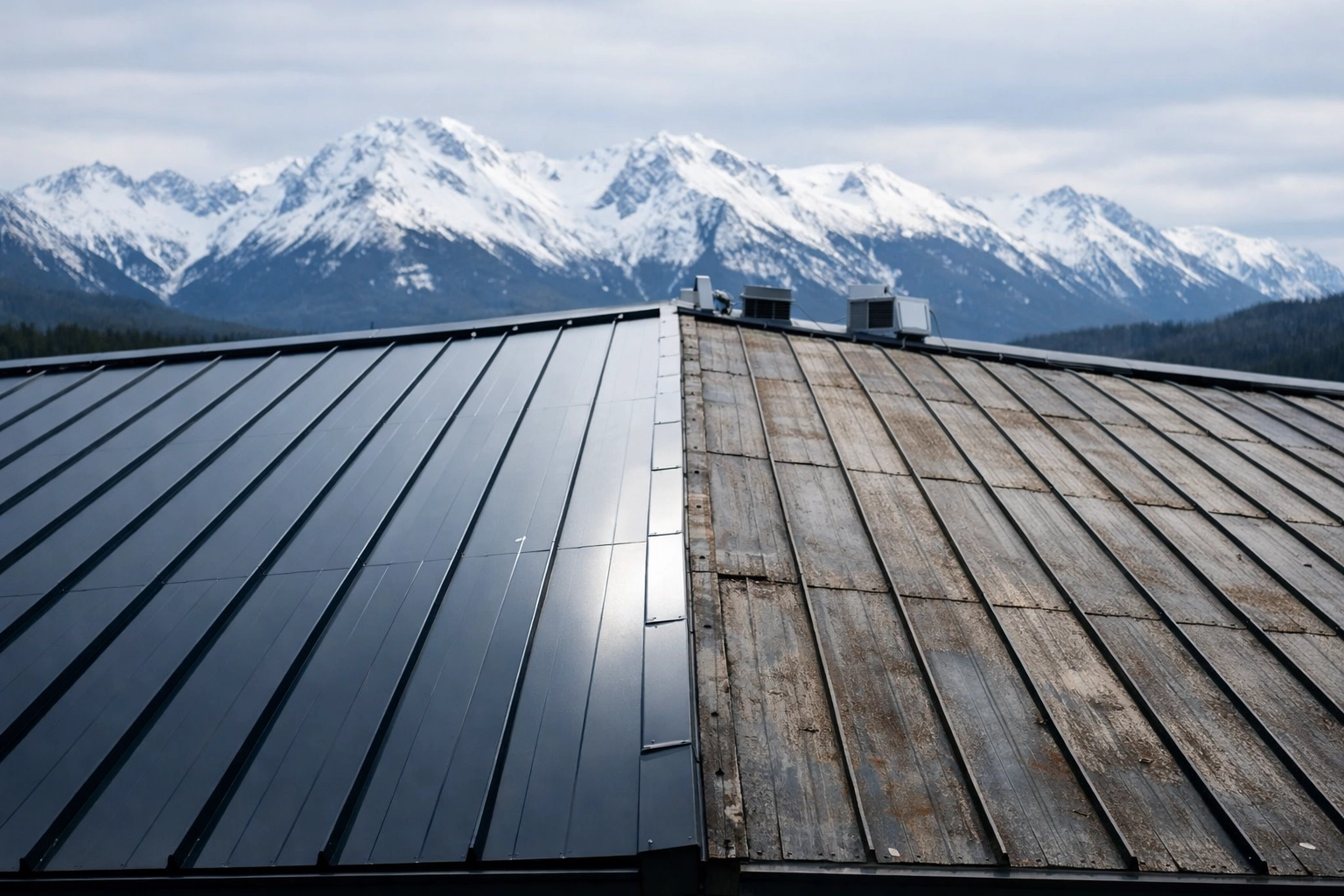
In Scenario B, your roof is older, the shingles are curling, and the flashing has been lifting for a while.
Then you get a normal rain and water shows up on your ceiling.
In that case, the adjuster may point to the roof’s age and condition as the real cause.
The rain wasn’t the problem.
It was just the last straw for a roof that was worn out.
Protect Your Home Value (And Keep Your Financial Relationships Happy)
If you have external financial relationships or creditors connected to your home, they usually expect you to carry homeowners insurance and keep the property in decent shape.
A storm claim is one thing.
But ongoing maintenance issues can create headaches when it’s time to renew your policy, switch carriers, or document the condition of your home.
Even if a claim is covered, repeated problems tied to poor maintenance can lead to higher premiums or non-renewal.
Bottom line: taking care of small stuff early helps protect your home and your long-term options.
Watch for the “Ensuing Damage” Situation
Sometimes a problem starts with wear and tear, but the damage that follows is sudden.
That’s where people get surprised.
Example: an older pipe fitting finally gives up and a pipe bursts.
The policy may not pay to “upgrade old plumbing,” but it may cover the sudden water damage that happened when the pipe let go.
Another example: worn wiring leads to a fire.
The policy likely won’t pay to replace old wiring just because it’s old.
But it may cover the fire damage caused by that failure.
The key is separating the original worn part from the sudden damage that followed.
Protect Your Home With Simple Upkeep (Especially in Alaska)
Homeownership here takes a little extra effort.
A few habits can help you avoid damage and make claims smoother if you ever need one.
- Check your roof after big wind or heavy snow.
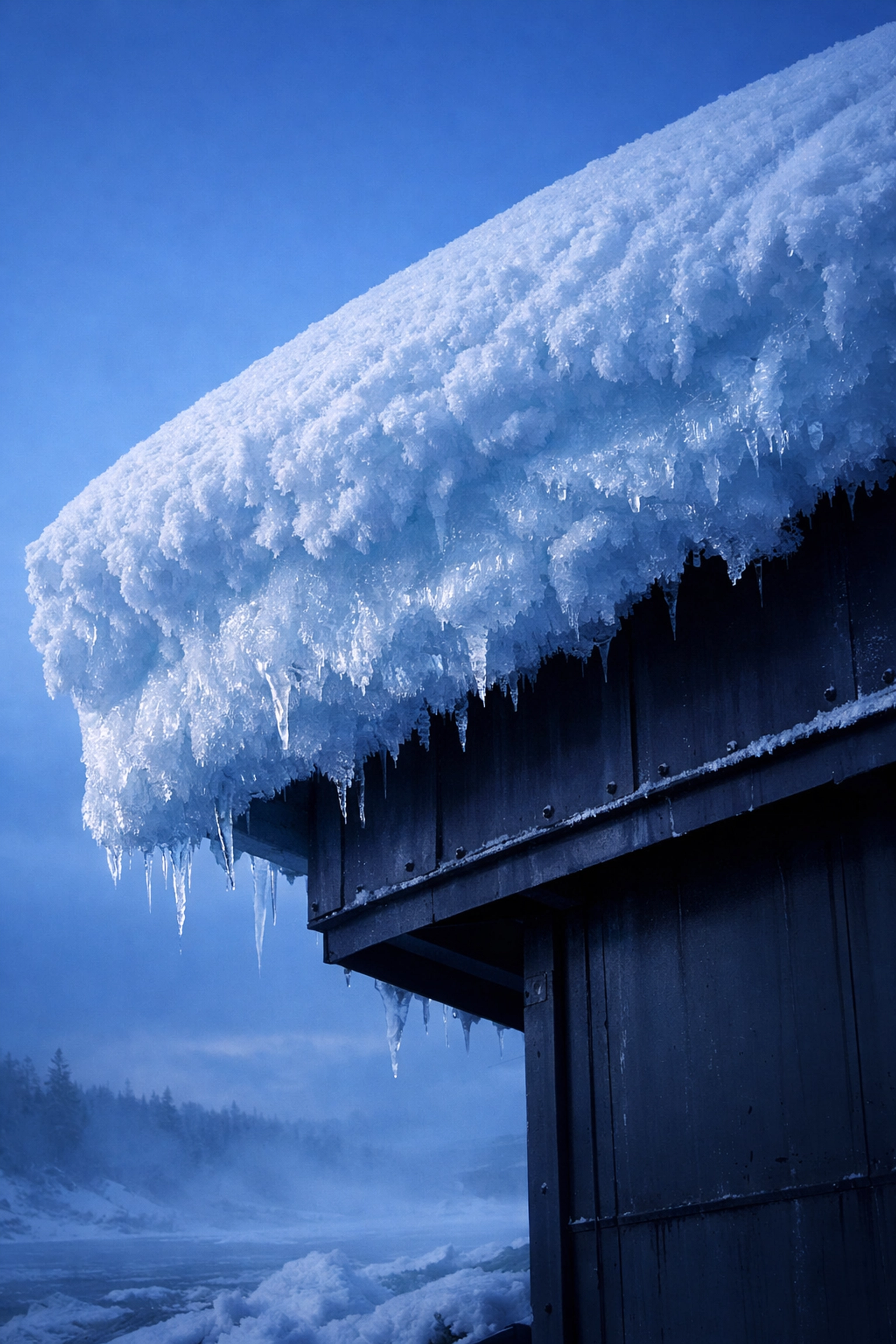
- Watch for ice dams and staining on ceilings.
- Know where your main water shutoff is.
- Keep an eye on older plumbing, water heaters, and washer hoses.
- Seal up gaps and keep drainage moving away from the house.
If you find damage, take photos right away and jot down what happened (date, weather, what you noticed).
The more you can show it was sudden, the easier the claim conversation usually goes.
We also recommend a simple home maintenance log.
Even basic notes like “roof looked good after the October storm” can help later.
Use Photos and Notes to Protect Your Claim
When you file a claim, you’ll usually need to show what happened and when it happened.
Photos help.
Short notes help too.
If you don’t have any “before” pictures, it can turn into your word vs. the adjuster’s inspection.
Take five minutes every few months to do a quick phone video walkthrough.
Get ceilings, walls, under-sinks, the water heater area, and the outside of the house.
Save it to the cloud so you can find it later.
This simple habit supports your home property protection plan and can make the claim process way less stressful.
Talk With a Local Agent Before You File the Claim
At Last Frontier Insurance LLC, we live and work in the same weather you do.
We know ice dams happen, wind gets weird, and a “small drip” can turn into a big problem fast.
Our job is to help you understand your coverage before you need it.
That includes the two things that cause the most hard feelings:
- Deductibles: a claim can be “covered” and still pay $0 if the damage is below your deductible.
- Wear-and-tear exclusions: insurance usually won’t pay to replace old parts that simply wore out (even if a contractor points them out during an emergency call).
If you’re not sure how your homeowners policy handles roof damage, water damage, deductibles, or wear and tear, ask before you file.
A quick conversation can save you a ton of frustration later.
If you also need personal lines help for your household, we can assist with things beyond homeowners too, including renters coverage in Anchorage and across Alaska.
Some folks search for cheap renters insurance anchorage ak.
We get it.
What you really want is strong protection at a competitive price, with a local team who will actually pick up the phone when you have questions.
Final Thoughts: Keep Maintenance on You, Keep Accidents on Insurance
It’s frustrating when you think “this is a problem” and the answer is “that’s wear and tear.”
But the logic is simple: insurance is built for sudden accidents, not for aging parts.
That’s why a burst pipe can be treated very differently than a list of worn-out plumbing items someone notices while they’re down in the crawlspace.
If you handle the upkeep (like you would with oil changes and brakes), your homeowners policy is there for the big surprise moments.
That’s the best way to protect your home and keep your coverage working the way you expect.
If you have questions about your current coverage or want us to take a look at your property risk, feel free to contact us.
We are here to help you navigate the wild world of Alaska insurance with simple, no-nonsense advice.
Don't wait for the next big storm to find out where your coverage stands.
Take a look at your roof today, snap a few photos, and give us a call if you need a hand.
Leave a Reply